China’s fashion industry now offers more than low-cost basics. It combines traditional textile skills, fast manufacturing, and increasingly thoughtful design. This makes the question, “What Are The Essentials Of Modern Wardrobe,” especially relevant for today’s practical shopper.
A strong modern wardrobe may begin with a well-cut cotton shirt, relaxed denim, a fine-gauge knit, and lightweight outerwear. These pieces should work across seasons, offices, travel days, and informal gatherings. Chinese brands also provide clean sneakers, structured bags, water-resistant jackets, and understated accessories. Small details matter. Check stitching, fabric weight, zipper movement, lining, and care labels before choosing.
Quality varies widely.
Some factories produce excellent garments, while others prioritize speed over longevity. That difference deserves honest attention. Responsible buyers should examine material claims, size charts, return policies, and independent customer feedback. Certifications and transparent supply information can strengthen trust, although they do not guarantee perfect performance. Personal experience also matters: a shirt that survives repeated washing often proves more useful than a fashionable piece with weak seams.
This guide explores modern wardrobe essentials from China through durability, versatility, comfort, and responsible purchasing. It considers both established labels and emerging designers, without treating “Made in China” as a single quality category. A polished wardrobe does not require dozens of items. It needs dependable pieces that fit real routines, changing weather, and individual style. Some recommendations may still require testing. That is part of the process. Clothing should serve everyday life, not merely appear impressive in product photographs.
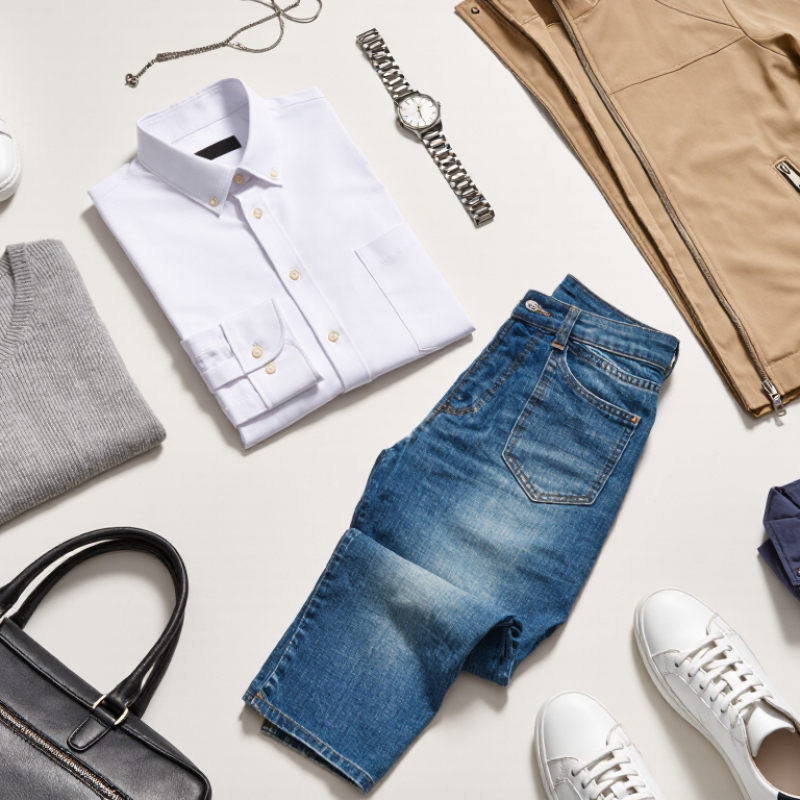
Modern wardrobe essentials from China are not defined by origin alone. They are defined by practical design, dependable construction, and responsible material choices. A useful shirt should handle commuting, repeated washing, and changing temperatures. A light jacket should protect against wind without feeling bulky. Fit matters more.
China’s textile sector offers strong manufacturing experience, especially in technical fabrics, knitwear, and flexible production. However, “made efficiently” does not always mean “made sustainably.” Textile Exchange’s Materials Market Report 2024 estimates that global fiber production reached 124 million tonnes in 2023. It may rise to 160 million tonnes by 2030. That growth makes material selection increasingly important. A modern essential should therefore include clear fiber information, durable stitching, and a realistic care plan. The perfect garment does not exist. Some recycled fabrics still require careful washing, and some natural fibers crease easily.
Tips: Choose a neutral overshirt, straight-leg trousers, breathable knit, and weather-resistant outer layer. Check seam density, button attachment, and fabric recovery before buying. Look for measurable details, not vague claims. The Ellen MacArthur Foundation also stresses longer use as a key part of circular fashion. In practice, wearing one garment for years may matter more than purchasing a larger “sustainable” wardrobe. I still find this difficult. Convenience often wins. That is the honest weakness in many minimalist wardrobes.
When choosing modern wardrobe essentials from China, start with the fabric specification, not the label. Cotton should state its fiber percentage, weave, weight, and finishing method. For shirts, a balanced poplin around 100–140 GSM feels light but remains durable. Linen needs careful checking because loose weaving can cause early distortion. Wool garments should disclose fiber composition, fabric weight, and pilling performance. Lyocell and recycled fibers can improve softness, but their environmental claims require supporting documentation. Touch matters. A fabric sample should be checked after washing, not only under showroom lighting.
Construction standards reveal how well a garment may survive daily use. Inspect seam density, even stitching, clean seam finishing, and reinforced stress points. Shoulder seams need stability, while trouser pockets should include secure bartacks. Buttons must be firmly attached, and zippers should move without catching. Ask for dimensional stability, colorfastness, and pilling test results using recognized testing procedures. Chinese national standards, such as relevant GB/T methods, can provide useful reference points, but paperwork alone is insufficient. AQL inspection can help control visible defects, yet it cannot replace careful sample approval. I have learned that perfect measurements on paper may still produce an awkward fit. Small adjustments matter. Check sleeve balance, collar roll, and shrinkage after laundering. No checklist catches everything. A thoughtful review remains necessary.
A modern Chinese wardrobe begins with practical layers, not dramatic costume pieces. A cotton overshirt works over a plain T-shirt and soft trousers. Its relaxed cut suits commuting, travel, and warm indoor spaces.
Consider a mandarin-collar shirt, but choose breathable cotton or linen for daily comfort. Wide-leg trousers add movement without looking careless. A lightweight quilted jacket handles changing temperatures across Chinese cities. Knit cardigans, canvas shoes, and compact crossbody bags also support flexible dressing. China’s National Bureau of Statistics reported that online retail sales of physical goods grew 6.2% in 2024. This figure reflects strong access to everyday apparel, though availability does not always guarantee durable construction. Inspect seams, fabric weight, and washing instructions before buying.
Tips: Build around three colors, such as black, cream, and muted green. Pair one traditional detail with simpler basics. Try the clothes while sitting and walking. A beautiful collar can still feel awkward after lunch. Choose natural fibers when possible, but blends may dry faster and resist wrinkles. The Ellen MacArthur Foundation estimates that one garbage-truck load of textiles is landfilled or burned every second worldwide. Buying fewer, repairable pieces is therefore more sensible than chasing constant novelty. My own weakness is overvaluing appearance; a wardrobe should survive ordinary mornings, not only photographs.
Modern Chinese wardrobes often combine clean tailoring, practical layers, and lightweight fabrics. A cotton overshirt, relaxed trousers, knit polo, and simple jacket can create several daily outfits. However, sizing is rarely consistent across online sellers. A medium may fit like a small elsewhere.
Measure your chest, shoulders, waist, hips, and inseam before ordering. Compare these numbers with the garment’s measurement chart, not only the listed size. Pay attention to shoulder seams and sleeve length. A slightly relaxed fit usually allows easier movement and layering.
For trousers, check the rise and thigh width, not just the waist. Product photos can mislead. I have sometimes chosen a size from habit and regretted it.
Tips: Read customer comments for height, weight, and fit details. Look for close-up fabric photos and care instructions. Natural fibers, recycled fibers, and responsibly produced blends can reduce impact, but no material is automatically sustainable. Linen may feel cool, while organic cotton offers familiar comfort. Recycled polyester can improve durability, yet it still requires careful washing to limit fiber shedding. Choose durable construction, repairable seams, and pieces you will wear repeatedly. A perfect eco-friendly choice is difficult. Aim for better decisions, not flawless ones.
China remains a major source for modern wardrobe essentials, but reliable sourcing requires more than attractive product photos. The WTO World Trade Statistical Review 2023 reported that China supplied about 31% of global textile exports and 38% of clothing exports in 2022. That scale creates choice, yet quality varies sharply between suppliers. I look for factories with clear production addresses, consistent material records, and recent third-party audit reports.
Ask for a physical sample before discussing large orders. Check stitching density, seam strength, shrinkage, colorfastness, and care-label accuracy. A supplier should provide fiber composition and relevant product-testing documents. The International Trade Centre recommends using trade data and supplier verification when assessing international partners. I also compare the sample with the approved specification after washing it twice. Small details matter.
Request a written quotation covering fabric weight, minimum order quantity, packaging, inspection, and delivery terms. Confirm whether the listed company manufactures garments or only manages purchasing. Site videos help, but they are not proof. An independent inspection is safer. Payment milestones should match verified production stages, subject to local law and contract terms. I have learned that fast replies can hide weak documentation. One missed measurement can affect an entire size run. Even a promising supplier deserves repeated checks, because capacity, subcontracting, and fabric availability may change during a season.
Knitwear, T-shirts, trousers, dresses, and underwear are among the most established wardrobe-essential categories in China's apparel export structure. Higher export value can indicate strong manufacturing capacity and supplier depth, but buyers should also verify material quality, certifications, minimum order quantities, lead times, and factory audits before selecting a supplier.
Source: UN Comtrade trade statistics, China's 2023 exports by HS product categories; values shown are rounded estimates in billions of US dollars.
Check fiber percentage, weave, fabric weight, and finishing method. A 100–140 GSM cotton poplin feels light but remains practical. Touch matters.
Request a fabric sample and wash it before judging quality. Check softness, shrinkage, distortion, color changes, and surface pilling. Showroom lighting can mislead.
Inspect even stitching, seam density, clean finishing, and reinforced stress points. Check shoulder seams, pocket bartacks, firmly attached buttons, and smooth zippers. Small details matter.
Ask for dimensional stability, colorfastness, and pilling results from recognized procedures. Relevant national textile methods may offer useful reference points. Paperwork is not proof.
Measure your chest, shoulders, waist, hips, and inseam first. Compare those measurements with the garment chart, not only the listed size. A medium may vary widely.
Check shoulder seams, sleeve length, collar roll, trouser rise, and thigh width. A slightly relaxed fit supports movement and layering. I have trusted familiar sizes and regretted it.
Choose simple layers, durable construction, repairable seams, and fabrics suited to repeated wear. An overshirt, relaxed trousers, knit polo, and light jacket can create several outfits. Keep it practical.
No material is automatically sustainable. Check supporting documentation, expected durability, care needs, and likely fiber shedding. Better choices are possible. Perfect choices are rare.
Modern Chinese wardrobe essentials combine practical design, clean silhouettes, and adaptable details for everyday dressing. What Are The Essentials Of Modern Wardrobe? They include versatile shirts, relaxed trousers, lightweight knitwear, structured outerwear, and simple dresses that can be layered across seasons. The best pieces balance comfort with polished construction, using fabrics such as cotton, linen, wool blends, denim, and responsibly sourced regenerated fibers. Attention should also be given to stitching quality, seam strength, fabric weight, colorfastness, and finishing details, as these factors influence durability and appearance.
Choosing the right size requires comparing personal measurements with detailed garment charts rather than relying only on standard labels. Fit should support movement while matching the intended style, whether tailored, relaxed, or oversized. Sustainable choices may include recycled materials, traceable natural fibers, low-waste cutting, and long-lasting construction. When searching for dependable Chinese clothing suppliers, buyers should review production capabilities, material information, sample quality, communication, minimum order requirements, and quality-control procedures before making purchasing decisions.
