Building a minimalist wardrobe can transform your style. Many think it’s just about fewer clothes. However, it’s a thoughtful process. Understanding how to build a minimalist wardrobe means more than reducing items. It’s about choosing pieces that reflect your identity.
Start by assessing what you truly wear. Many of us have clothes we never touch. Identify those essentials that fit well and suit every occasion. Consider versatility and quality over quantity. Each item should work seamlessly with others, creating endless outfit combinations.
Building this wardrobe requires reflection. Ask yourself: What do I love to wear? What do I need? Recognize that simplicity can also lead to challenges. It may take time to find the right pieces. Embrace the journey. With patience, you will achieve a wardrobe that not only simplifies your life but also elevates your style.
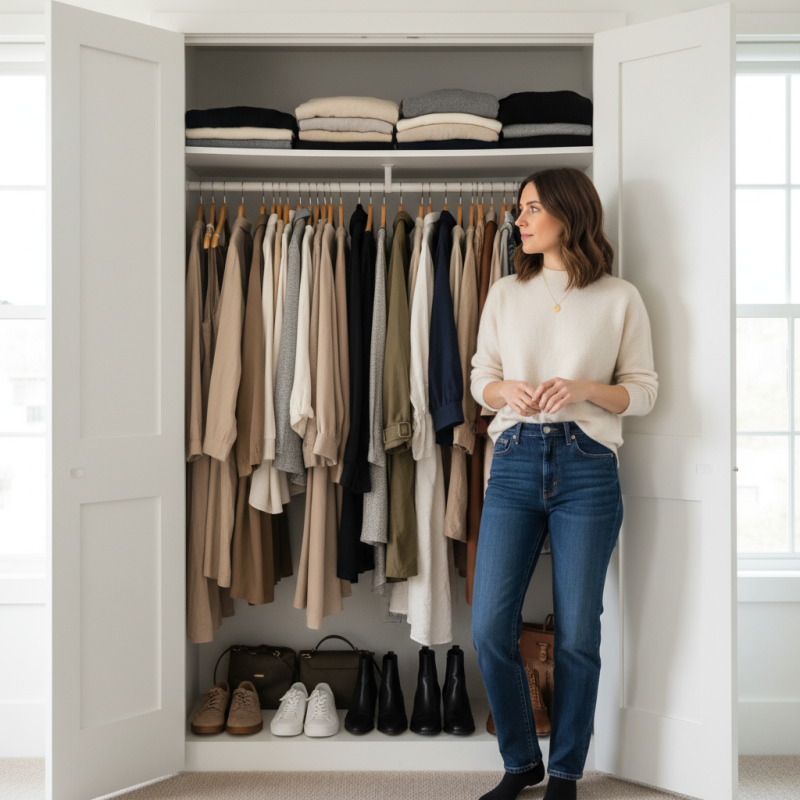
Minimalist fashion relies on core principles that elevate style through simplicity. The aim is to focus on essential pieces. Each item should have a purpose. It’s not about having less; it's about choosing better. Choosing high-quality materials creates a lasting wardrobe. Understanding your personal preferences is key. What do you wear often? What makes you feel confident?
Reflecting on your current wardrobe can reveal clutter. Are there pieces gathering dust? This is a sign to let go. Less truly can be more. A minimalist wardrobe often consists of a few neutral colors and timeless shapes. This versatility allows for easy mixing and matching.
While minimalism can simplify dressing, it is not without its challenges. Deciding what to keep can be difficult. Emotional attachments to clothing can cloud judgment. It’s important to reflect on why each piece holds value. Creating a minimalist wardrobe is a journey, not a destination. Embrace the imperfections along the way. The goal is to curate a collection that is both stylish and functional.
| Item Category | Essential Pieces | Color Palette | Season |
|---|---|---|---|
| Tops | White T-shirt, Black Blouse | White, Black, Gray | All Seasons |
| Bottoms | Dark Jeans, Black Trousers | Navy, Black | All Seasons |
| Outerwear | Neutral Blazer, Denim Jacket | Beige, Light Blue | Spring/Fall |
| Footwear | White Sneakers, Black Ankle Boots | White, Black | All Seasons |
| Accessories | Leather Belt, Minimalist Watch | Brown, Silver | All Seasons |
: Minimalism focuses on essential pieces that are purposeful and creates a lasting wardrobe.
Reflect on each item’s value. Let go of clothing that hasn't been worn or serves no purpose.
Neutral tones like black, white, and beige are ideal. Add one or two statement colors for variety.
Begin with basic items. A white tee, classic jeans, and a tailored blazer are great staples.
No, it's a journey. It takes time to choose the right pieces and adapt your style effectively.
Focus on quality over quantity. Assess your current wardrobe before making new purchases.
People often buy impulsively without considering utility, leading to cluttered closets and underused items.
Look for versatile pieces that withstand trends and add to your style, not just fill space.
Extending clothing life by nine months can significantly lower environmental impact and enhance your wardrobe.
Emotional attachments to clothing can complicate decisions about what to keep or discard. It's a learning process.
In the quest to understand how to build a minimalist wardrobe, the foundation lies in grasping the principles of minimalist fashion design. Start by thoroughly assessing your current wardrobe to determine what items to keep and what to discard, focusing on pieces that truly resonate with your personal style. Essential clothing pieces that offer versatility and functionality should take precedence, allowing for a variety of combinations and occasions.
Creating a cohesive color palette is crucial in ensuring your outfits are stylish and adaptable. This not only simplifies choices but also enhances the overall aesthetic of your wardrobe. Finally, establishing a sustainable shopping strategy is key to making mindful fashion choices that align with minimalist principles. By following these steps, you can build a minimalist wardrobe that embodies both style and sustainability.

 VORA Fashion