Clothing design plays a crucial role in shaping global fashion trends, particularly in China. Experts in the fashion industry often highlight this dynamic link. For example, renowned fashion designer and trend forecaster Li Wei once stated, "The fabrics we choose and the cuts we create can redefine what a culture wears." This statement illuminates how clothing design influences fashion trends.
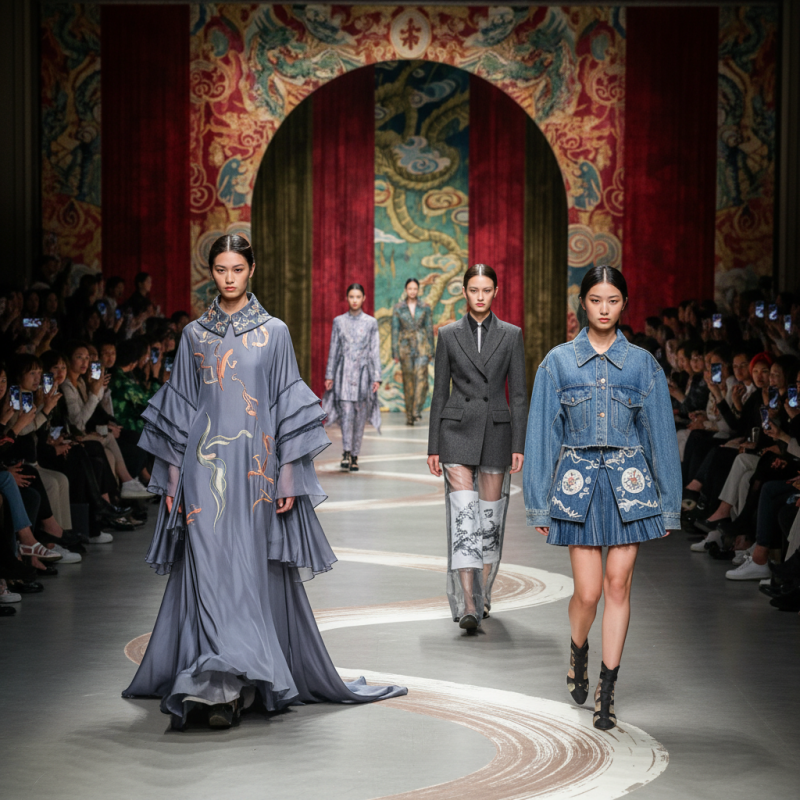
In recent years, Chinese designers have gained prominence on the global stage. Their unique ability to blend traditional aesthetics with modern innovation has captivated audiences. This fusion is a testament to how clothing design influences fashion trends, encouraging a dialogue between heritage and contemporary styles.
Yet, the landscape is not without its complexities. Fast fashion's growth poses challenges to sustainable practices. Designers must continuously adapt to consumer expectations while remaining environmentally conscious. As the industry evolves, reflecting on these pressures will be vital for future success. Understanding how clothing design influences fashion trends may require a critical look at both creativity and responsibility in the fashion world.
The Historical Context of Clothing Design in China
The historical context of clothing design in China reveals a rich tapestry woven from cultural, political, and social threads. For centuries, clothing has reflected not only personal identity but also societal values. During the Tang Dynasty, vibrant silks and intricate patterns showcased the empire's wealth and artistry. Clothing was not merely functional; it symbolized status and class within the rigid social hierarchy.
The influence of Confucianism cannot be understated. It dictated appropriate attire based on age, status, and occasion. This led to a diverse range of garments, each serving a specific purpose in daily life and rituals. However, the historical value placed on conformity raises questions. Has the focus on tradition stifled creativity in modern design?
In contemporary China, traditional elements mingle with global influences. Young designers are experimenting, fusing past and present. They seek to redefine identity through their work while grappling with the weight of history. This push for innovation exists alongside a persistent reverence for heritage. The challenge remains: how to honor the past while embracing the future in clothing design.
Key Influences of Chinese Culture on Fashion Trends
Chinese culture has a profound impact on global fashion trends. Traditional elements, such as silk, intricate embroidery, and symbolic motifs, influence contemporary designs. These fabrics tell stories. They reflect the rich history and philosophies of the culture. This fusion of old and new creates a unique aesthetic. Designers look to nature, folklore, and art for inspiration. The results are garments that resonate emotionally with wearers.
Tips for embracing this cultural influence: Explore local markets. Seek out unique fabrics. Attend workshops on traditional techniques. Engaging with local artisans can deepen understanding and appreciation. Attend fashion exhibitions to see how cultural narratives inform design.
Fashion trends in China often incorporate modern technology with traditional craftsmanship. Social media platforms shape the way trends spread. However, it’s also essential to reflect on authenticity. Some designs may lean too heavily on Western interpretations. Finding a balance is crucial for genuine representation. Aim for designs that honor cultural roots while appealing to a global audience.
How Clothing Design Shapes Global Fashion Trends in China
This chart showcases the influence of various aspects of Chinese culture on fashion trends over the years. The data reflects the growing popularity of traditional motifs, color symbolism, and sustainable practices in clothing design.
The Role of Fashion Designers in Shaping Trends
Fashion designers play a pivotal role in shaping global fashion trends in China. Their creative vision influences not only style but also culture. Designers draw inspiration from local traditions and modern aesthetics. This blending creates unique fashion pieces that resonate with the public. In China, fashion reflects identity, aspiration, and community.
One notable trend is the fusion of streetwear with traditional clothing. Designers mix old and new elements to appeal to younger audiences. This approach challenges conventions and promotes self-expression. However, some argue that traditional craftsmanship is being overshadowed. The emphasis on fast fashion raises concerns about sustainability.
Tips for aspiring designers include studying cultural influences and understanding market dynamics. Collaborating with local artisans can add depth to collections. Engaging with consumers through social media helps gauge their preferences. Designers should aim for originality while respecting cultural heritage. Balancing innovation with tradition can lead to impactful designs.
Impact of Technology and Innovation in Chinese Clothing Design
In recent years, technology and innovation have profoundly impacted clothing design in China. The rise of artificial intelligence and machine learning has enabled designers to analyze consumer preferences more accurately. Reports indicate that around 65% of Chinese consumers prioritize individuality in fashion choices. This demand pushes for unique and personalized clothing, fostering innovative design approaches.
Moreover, the use of cutting-edge fabric technologies is becoming increasingly prevalent. For instance, sustainable fabrics made from recycled materials are gaining momentum. According to industry data, 30% of clothing production in China focuses on sustainable practices by 2025. This shift challenges traditional manufacturing methods and raises questions about scalability and cost-effectiveness.
Nevertheless, with rapid technological advancements, challenges persist. The gap between high-tech innovation and practical application in clothing design remains significant. There is a continuous struggle to balance creativity with production feasibility. As designers embrace technology, the industry must reflect on its environmental footprint, ensuring that innovation does not come at a cost to sustainability.
How Clothing Design Shapes Global Fashion Trends in China? - Impact of Technology and Innovation in Chinese Clothing Design
| Design Element |
Impact on Trends |
Technology Used |
Innovation Type |
| Sustainable Materials |
Increased demand for eco-friendly fashion |
Bioengineered fabrics |
Product Innovation |
| Smart Clothing |
Integration of technology into everyday wear |
Wearable tech sensors |
Technological Innovation |
| Cultural Fusion |
Diverse fashion influences shaping designs |
Digital design tools |
Creative Innovation |
| Customization Options |
Personalized consumer experiences |
3D printing technology |
Manufacturing Innovation |
| Virtual Fashion Shows |
Global access to fashion events |
Streaming and VR technologies |
Event Innovation |
Globalization and Its Effects on Chinese Fashion Trends
Globalization has significantly influenced Chinese fashion trends, altering the landscape of clothing design. The rise of e-commerce has allowed international styles to reach Chinese consumers faster than ever. According to a 2022 report by McKinsey & Company, online fashion sales in China soared to over $160 billion. This figure illustrates the immense shift towards global influences in local markets.
Many Chinese designers are adopting elements from Western fashion. However, there is a struggle to maintain traditional aesthetics while embracing modern trends. A study from the China Fashion Association highlighted that 55% of consumers prefer a blend of local heritage and contemporary styles. This contrast illustrates the essential need for local talent to reflect cultural narratives amid global pressures.
Yet, the challenge lies in understanding consumer preferences. The fast-paced changes sometimes lead to misinterpretations of cultural meanings. Moreover, sustainability concerns are growing more prominent. A survey found that 70% of consumers are willing to pay more for sustainable fashion. This indicates a shift in mindset, yet many brands still rely on fast fashion models. The journey towards harmonizing globalization with local identity remains pivotal for the future of Chinese fashion trends.
Conclusion
The article explores how clothing design influences fashion trends in China by examining its historical context and cultural influences. It highlights the significance of traditional Chinese aesthetics and materials, which continue to inspire contemporary designers. The role of fashion designers is pivotal, as they interpret cultural elements into innovative designs that resonate with modern consumers. Additionally, advancements in technology and innovation contribute to the evolution of clothing design, enabling unique expressions and styles that reflect current societal values.
Furthermore, globalization plays a crucial role in shaping Chinese fashion trends. It facilitates cross-cultural exchanges, allowing international styles to blend with indigenous practices. This dynamic interplay underscores how clothing design not only reflects local identity but also adapts to global influences, ultimately shaping a unique fashion landscape in China.

 VORA Fashion