Fashion is a dynamic industry, constantly evolving with the times. For brands, the process of how fashion brands design new collections is both an art and a science. It requires a deep understanding of market trends, consumer preferences, and the ever-changing cultural landscape. Effective collection design is not just about aesthetics; it's also about storytelling and brand identity.
Behind every successful collection lies extensive research and a clear vision. Designers often draw inspiration from various sources, including art, nature, and even social movements. However, the challenge is to translate these influences into garments that resonate with consumers. This requires a careful balance between creativity and commercial viability. Moreover, feedback from past collections plays a vital role. Brands must reflect on their successes and failures to refine their approach.
In this competitive market, collaboration often enhances creativity. Engaging with diverse talents can spark innovative ideas. Yet, not every collaboration guarantees success. Brands must be willing to take risks and learn from missteps. The journey of designing a new collection is layered, reflecting the complexities of fashion itself. Understanding these nuances can empower brands to create collections that not only attract attention but also foster lasting connections with their audience.
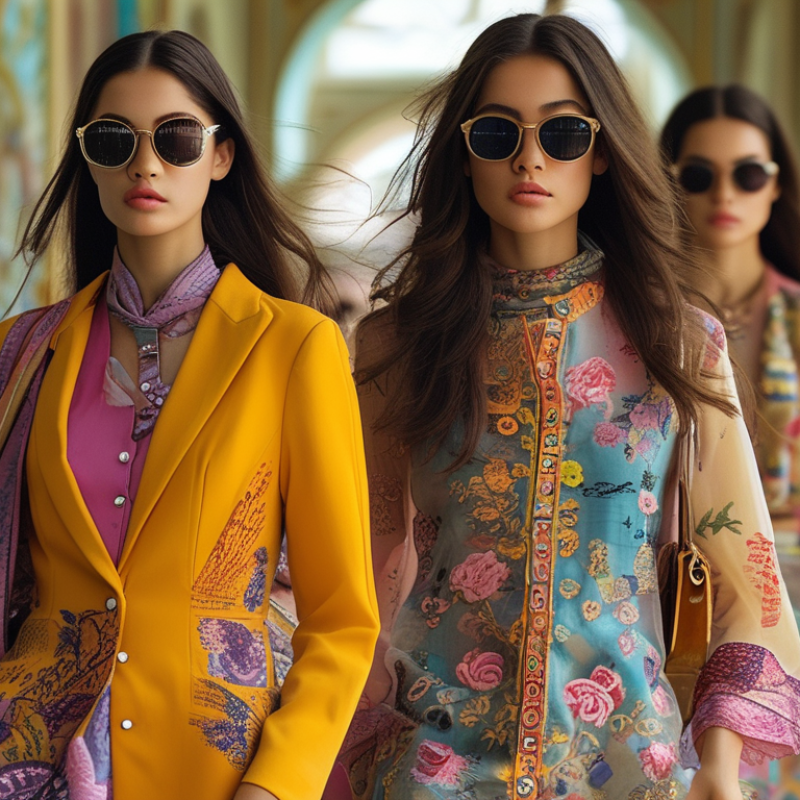
To identify current fashion trends, market research plays a crucial role. Brands collect data from various sources, analyzing social media, fashion shows, and street style. This data helps designers grasp what consumers want. However, relying solely on data can lead to missed opportunities. Sometimes, trends emerge from unexpected places, like local cultures or subcultures. Brands must remain open to these influences.
Additionally, engaging directly with customers adds another layer of insight. Surveys and feedback can reveal preferences that data alone might not capture. But interpreting feedback can be complex. Designers must sift through mixed messages and focus on consistent themes. A trend might resonate in one demographic but not in another. This calls for careful consideration and flexibility in design decisions.
Ultimately, striking a balance between data-driven insights and intuitive design is essential. Fashion is as much about emotion as it is about numbers. Successful brands understand this and adapt accordingly. They analyze changes but also challenge their perspectives, ensuring they do not become stagnant. Embracing uncertainty can often lead to the most innovative collections.
| Method | Description | Trend Identification | Data Source |
|---|---|---|---|
| Market Surveys | Gathering consumer feedback directly through surveys. | Identifies preferences and unmet needs. | Online Survey Platforms |
| Social Media Analysis | Analyzing trends and discussions on platforms like Instagram. | Identifies trending styles and consumer sentiments. | Social Media Metrics Tools |
| Competitive Analysis | Studying competitors to understand market positioning. | Identifies gaps and opportunities in the market. | Industry Reports |
| Focus Groups | Engaging selected groups of consumers for feedback. | Provides in-depth insights on consumer preferences. | Market Research Firms |
| Tradeshows and Expos | Attending industry events to observe trends and network. | Spotting emerging trends and innovative ideas. | Event Participant Feedback |
| Fashion Forecasting | Utilizing forecasting services to predict upcoming trends. | Helps in planning future collections. | Forecasting Agencies |
| Customer Online Behavior | Analyzing e-commerce data for buying patterns. | Identifies popular products and categories. | Website Analytics Tools |
| Influencer Collaborations | Partnering with influencers to reach wider audiences. | Understands influencer impact on trends. | Influencer Marketing Platforms |
| Sustainability Practices | Adopting eco-friendly practices based on consumer demand. | Identifies a shift towards sustainable fashion. | Sustainability Reports |
| Style Guides and Lookbooks | Creating visual references for design inspiration. | Showcases upcoming trends and collections. | Design Publications |
: Collaborative design initiatives involve consumers in the design process, creating a sense of ownership.
A report shows that 65% of consumers favor brands that let them co-create, boosting loyalty.
Brands should foster open communication and share drafts to encourage feedback and creativity.
Misalignment between brand identity and consumer ideas may lead to confusion and unmet expectations.
Sustainability reduces environmental impact and meets growing consumer demand for eco-friendly practices.
Higher costs and performance issues can occur, requiring thorough testing to meet quality standards.
Social media allows real-time feedback, helping brands gauge preferences through polls and interactive content.
Analyze the feedback to improve future collections and embrace the imperfections as opportunities for growth.
Transparency builds loyalty as consumers appreciate when their feedback is taken seriously and implemented.
It requires ongoing exploration and collaboration with material experts to guide decisions responsibly.
In today's rapidly evolving fashion landscape, understanding how fashion brands design new collections is crucial for success. One effective approach involves identifying current fashion trends through comprehensive market research, allowing brands to stay ahead of consumer preferences. Additionally, engaging consumers through collaborative design initiatives enhances brand loyalty and fosters innovation.
Sustainability has become a vital consideration in new collection development, with brands increasingly utilizing eco-friendly materials. Furthermore, leveraging social media for real-time feedback and insights empowers designers to make informed decisions that resonate with their audience. Finally, implementing agile practices in the design and production process helps brands adapt swiftly to changing demands, ensuring a more efficient and responsive development cycle. These strategies collectively enable fashion brands to create collections that not only meet market needs but also resonate with the values of today's consumers.

 VORA Fashion