The fast fashion industry has become a significant force in the global market, growing rapidly since the early 2000s. According to a report by McKinsey & Company, the global apparel market reached approximately $1.5 trillion in 2020, with fast fashion accounting for a major share. Yet, this rapid growth raises important questions: why fast fashion is controversial?
Many consumers are increasingly aware of the ethical implications of fast fashion. The use of cheap labor and environmentally harmful practices in production often leads to serious concerns. A study by the Ellen MacArthur Foundation revealed that less than 1% of the materials used to produce clothing are recycled into new garments. This statistic highlights the environmental impact of a linear economy driven by fast fashion.
Moreover, fast fashion contributes to a culture of overconsumption. A report from the Global Fashion Agenda indicated that clothing production doubled between 2000 and 2014. As a result, people buy more clothes than ever before, only to discard them after a few wears. This cycle fosters a mindset that challenges sustainability. The stark reality prompts reflection on ethical consumerism and the true cost of trendy apparel.
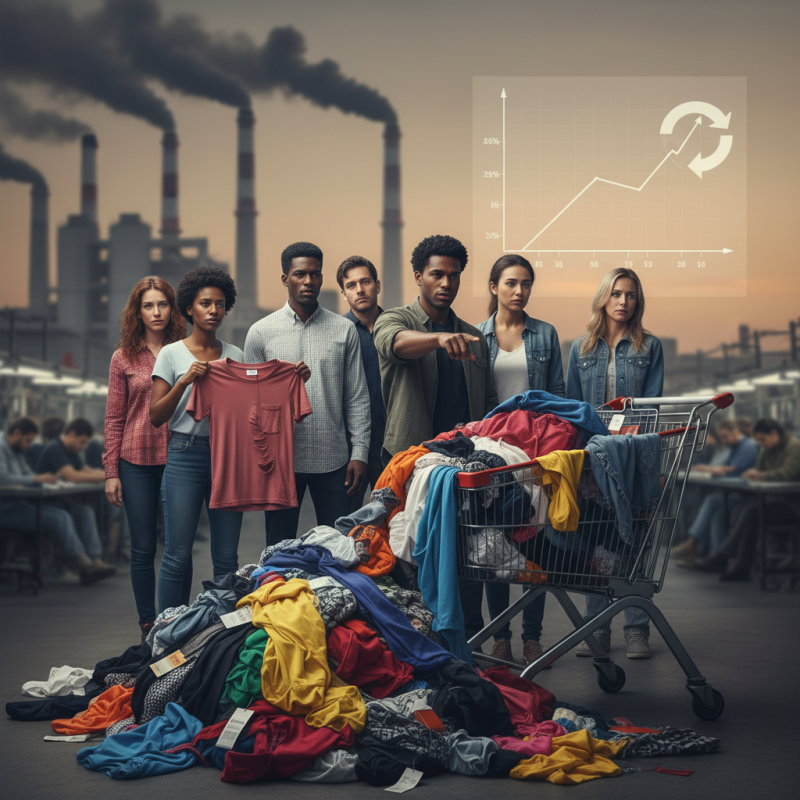
Fast fashion refers to clothing designs that move quickly from runway to store. This model allows brands to produce inexpensive, trendy apparel. As a result, consumers can buy the latest styles at an affordable price. However, this model relies on rapid production and often overlooks ethical implications. Many fast fashion companies favor speed over quality, leading to subpar products that wear out quickly.
The characteristics of fast fashion include low-cost materials and short production cycles. These often lead to significant environmental issues. Factories may engage in unsustainable practices, using toxic dyes and generating excessive waste. Additionally, fast fashion frequently disregards fair labor practices, raising concerns about worker exploitation. Consumers may find these practices troubling, yet the allure of low prices often overshadows these issues.
This means shoppers must often wrestle with conflicting values. They want to look good without causing harm. The cycle of consumption is hard to break. While affordable fashion is tempting, it comes with a price that isn't just financial. Reflecting on personal choices can encourage more conscious shopping habits. Understanding the true cost of fast fashion is essential.
| Characteristic | Description | Impact on Society | Environmental Concerns |
|---|---|---|---|
| Affordability | Low-cost clothing available to mass consumers. | Increased accessibility to fashion trends. | Fast production leads to increased waste. |
| Rapid Production | New designs are produced within weeks. | Encourages a cycle of continuous buying. | Resource depletion due to high demand. |
| Trendy Designs | Clothing that reflects current fashion trends. | Promotes consumerism and disposability. | Increased landfill waste from discarded items. |
| Global Supply Chain | Utilizes suppliers from various countries for production. | Creates jobs in developing countries. | Labor exploitation and poor working conditions. |
| Short-Lived Products | Clothing designed to be worn a few times before disposal. | Encourages a throwaway culture among consumers. | Environmental degradation due to textile waste. |
: Fast fashion raises issues like worker exploitation, long hours, low pay, and unsafe conditions, especially for women.
Many consumers, especially millennials, favor low-priced, trendy clothes, driving demand for fast fashion and increasing waste.
Fast fashion produces over 92 million tons of textile waste annually, highlighting the environmental consequences of consumer choices.
Only 30% of consumers consider sustainability while making purchases, indicating a gap between demand and ecological responsibility.
Some brands promote sustainability initiatives, but many are criticized for superficial changes without real impact.
Activism highlights labor rights and environmental issues, using protests and social media to push for transparency and accountability.
Many brand efforts lack depth. Consumers often see these initiatives as greenwashing rather than genuine improvements.
Transparency helps hold brands accountable for worker conditions, as many remain unaware of the realities behind their purchases.
Increased consumer awareness can drive change in labor practices and encourage brands to prioritize ethical considerations.
Reflecting on the human and environmental costs can guide consumers in making more responsible shopping decisions.
Fast fashion is controversial primarily due to its significant environmental impact and ethical concerns surrounding labor practices. It is defined by its ability to rapidly produce inexpensive clothing in line with the latest trends, often resulting in excessive waste and pollution. The fast fashion industry contributes to a throwaway culture, leading to increased textile waste in landfills and contributing to climate change.
Moreover, the production methods often exploit workers in developing countries, raising serious ethical questions about labor rights and fair wages. As consumer demand for fast fashion persists, many brands are being pressured to adopt more sustainable and ethical practices. Activism against fast fashion is growing, as advocates push for better standards and greater awareness among consumers. This highlights the complexities of why fast fashion is controversial, intertwining consumer behavior with larger social and environmental issues.

 VORA Fashion