Why Is Sustainable Fashion Gaining Popularity Globally?

Time:2026-05-16 Author:Sienna
0%

Sustainable fashion is on the rise worldwide. Consumers increasingly seek ethical alternatives to fast fashion. Experts highlight this shift by emphasizing the importance of sustainability in apparel. For instance, Dr. Alice Hart, a sustainable fashion advocate, states, “The fashion industry is at a crossroads; sustainability is no longer an option but a necessity.”

Understanding why sustainable fashion is becoming popular involves examining consumer awareness and environmental concerns. Many shoppers now realize the impact of their choices. They want stylish clothing that respects the planet. Social media plays a significant role in spreading awareness. Brands that prioritize sustainability often gain traction. Yet, some brands may exploit the trend without true commitment.

Despite its growth, challenges remain. The price point of sustainable fashion can be a barrier for many consumers. Additionally, greenwashing—misleading claims of sustainability—can cause skepticism. As more brands emerge in this space, the question remains: are they genuinely committed? Balancing style, ethics, and affordability is crucial for the future of sustainable fashion.
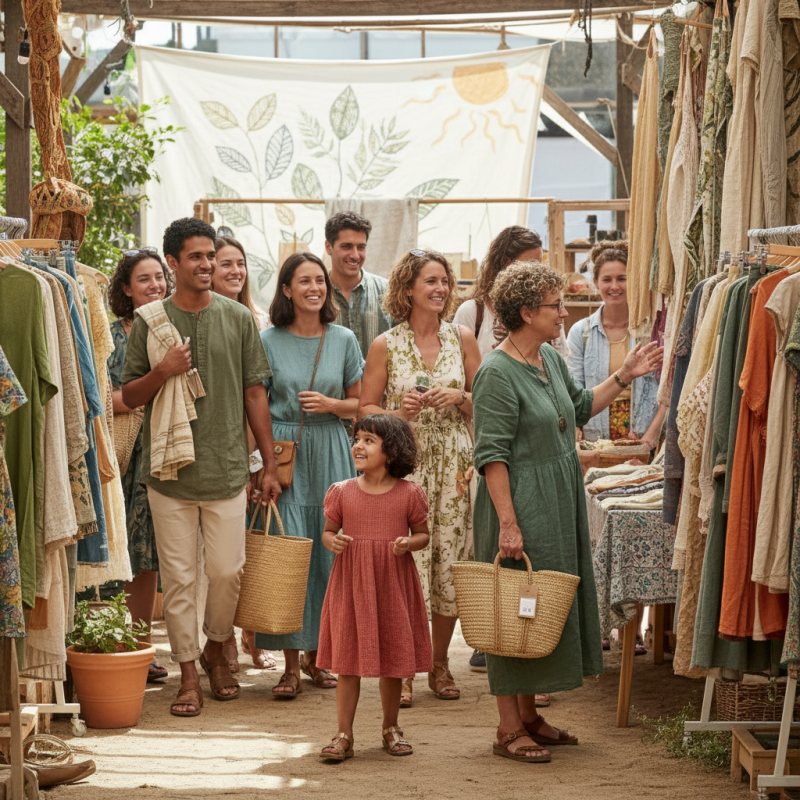
Why Is Sustainable Fashion Gaining Popularity Globally?

The Rise of Environmental Awareness in Fashion Choices

Sustainable fashion is more than a trend; it reflects a shift in consumer mindset. People are increasingly aware of the environmental impact of their clothing choices. Fast fashion contributes to pollution and waste. This awareness drives shoppers to seek eco-friendly alternatives. Many are now eager to learn about the materials used in their garments.

With rising environmental concerns, consumers are researching brands more actively. They want to know about production practices and sourcing. Transparency is key in building trust. Shoppers today appreciate brands that prioritize sustainability over profit. Information shared online can lead to informed decisions, which influences the entire fashion industry.

However, the journey toward sustainable fashion is complex. Not all companies genuinely embrace ethical practices. Some may use green-washing tactics to appear eco-friendly without real change. Consumers must learn to identify genuine efforts versus superficial ones. It’s essential to continue questioning and reflecting on our fashion choices. This critical engagement will help shape a more responsible industry that aligns with our values.

The Role of Ethical Consumerism in Promoting Sustainable Fashion

Sustainable fashion is thriving, driven largely by ethical consumerism. People increasingly consider the impact of their choices on the environment. According to a report by GlobalData, 62% of consumers want sustainable brands. This desire pushes companies to adopt eco-friendly practices and materials.

Ethical consumerism is reshaping the fashion landscape. A 2022 McKinsey study found that 54% of consumers prioritize sustainable items when shopping. There is a strong call for transparency. Shoppers are interested in knowing the origins of their clothes. They seek brands that are environmentally conscious. However, many brands struggle to meet these growing expectations.

Tips: Before making a purchase, research sustainable alternatives. Look for certifications that indicate ethical practices. Consider the longevity of items. Investing in quality clothing reduces waste over time. Reflect on your impact. Fast fashion may be appealing, but the cost to the planet is significant. Real changes start with thoughtful choices.

Why Is Sustainable Fashion Gaining Popularity Globally? - The Role of Ethical Consumerism in Promoting Sustainable Fashion

Dimension Value
Percentage of Consumers Interested in Sustainable Fashion 66%
Growth Rate of Sustainable Fashion Market (2020-2027) 9.67% CAGR
Proportion of Consumers Willing to Pay More for Sustainable Products 73%
Main Motivation for Buying Sustainable Fashion Environmental Concerns
Percentage of Consumers Who Consider Brand Ethics 85%
Top Regions Embracing Sustainable Fashion North America, Europe, Asia-Pacific
Social Media Influence on Sustainable Fashion Awareness 78%
Usage of Eco-Friendly Materials by Fashion Brands 50% of brands

Innovations in Sustainable Materials and Production Techniques

Sustainable fashion is gaining traction as consumers seek eco-conscious choices. Innovations in materials play a critical role. For instance, organic cotton and hemp are becoming mainstream. These materials require fewer pesticides and less water than traditional options. They reduce the environmental footprint significantly. Moreover, recycled fabrics are on the rise. Brands are repurposing plastic bottles into stylish garments. This approach helps tackle plastic waste.

Production techniques are evolving, too. Technologies like 3D knitting and dyeing minimize waste. Some methods use less water and energy. They not only promote sustainability but also efficiency. Yet, this journey is not without challenges. Implementing these changes can be costly. Smaller brands might struggle to adopt such techniques.

Consumer awareness is crucial. Many people still prioritize fast fashion. Education around the environmental impact of clothing is needed. It’s essential to encourage sustainable choices. The fashion industry must continue to adapt. The path to sustainability is complex but necessary. Progress requires collaboration and commitment from all involved.

Impact of Social Media and Influencers on Sustainable Fashion Trends

Social media has transformed the landscape of sustainable fashion. Influencers play a pivotal role in shaping consumer attitudes towards eco-friendly choices. According to a report by McKinsey, 59% of consumers are more inclined to buy from brands that their favorite influencers endorse. This creates a significant opportunity for sustainable brands. They can tap into the vast networks of influencers to reach wider audiences.

The impact goes beyond mere promotion. A survey by the Fashion Institute of Technology found that 71% of millennials base their spending decisions on social media trends. They seek authentic and relatable content. Influencers who authentically share their sustainable lifestyle often gain the trust of their followers. This trust translates into purchasing power. However, not all promotions are equal. Some influencers lack transparency about their partnerships, which can lead to skepticism from their audience.

Moreover, the rapid rise of platforms like TikTok has shifted how trends spread. Quick, engaging videos can make sustainable fashion concepts go viral. However, this fast-paced nature can overlook the complexity of sustainability. Consumers may buy into trends without fully understanding their implications, leading to a cycle of overconsumption. The dialogue around sustainability must persist to encourage informed choices, rather than just chasing fleeting trends.

Economic Benefits of Adopting Sustainable Practices in the Fashion Industry

Sustainable fashion is becoming a powerful player in the industry. More brands are pivoting towards eco-friendly practices. This shift is not just ethical; it has economic benefits too. Companies adopting sustainable methods often see reduced production costs. Fewer resources and lower waste lead to higher profit margins.


Consumers today are more aware of their impact. They prefer brands with transparent supply chains. This trend can boost sales for companies committed to sustainability. Additionally, sustainable practices can mitigate risks associated with resource scarcity. Using renewable materials ensures long-term viability. However, the transition can be challenging. Not all companies have the resources to implement sustainable practices from the start.


Investing in sustainability may require upfront costs. Smaller brands often struggle with the initial investment. However, the long-term savings and customer loyalty can outweigh these challenges. As the fashion landscape shifts, adopting sustainable practices may soon become the norm rather than the exception. Yet, companies must remain vigilant in their approaches. Sustainability should not become a marketing gimmick but a genuine commitment.

FAQS

: What is the main shift in consumer mindset regarding fashion?

: Consumers are becoming more aware of the environmental impact of their clothing choices.

Why do shoppers prefer eco-friendly alternatives?

They want to reduce pollution and waste caused by fast fashion.

How are consumers researching brands today?

They actively look for information about production practices and sourcing.

What is key to building trust in fashion brands?

Transparency about sustainable practices is essential for fostering consumer confidence.

What is green-washing, and why is it a concern?

Green-washing occurs when companies falsely claim eco-friendly practices, misleading consumers.

How has social media influenced sustainable fashion choices?

Influencers shape attitudes and encourage consumers to support eco-friendly brands.

What percentage of millennials rely on social media for spending decisions?

About 71% of millennials base their purchasing choices on social media trends.

What role do influencers play in promoting sustainable fashion?

Influencers who authentically share their eco-friendly lifestyles gain trust and can drive sales.

What challenge arises from the rapid spread of trends on platforms like TikTok?

Quick trends can lead to overconsumption without a full understanding of sustainability.

What should consumers do to engage with sustainable fashion critically?

Continuing to question and reflect on their choices is important for responsible consumption.

Conclusion

Sustainable fashion is gaining traction globally due to a significant rise in environmental awareness among consumers. As individuals become more conscious of the ecological impact of their fashion choices, they increasingly prioritize products that align with their values. This shift reflects the broader movement of ethical consumerism, which emphasizes the importance of making responsible purchasing decisions that support sustainability.

Furthermore, innovations in sustainable materials and production techniques are reshaping the fashion industry, making eco-friendly options more accessible and appealing. The influence of social media and digital platforms allows sustainable fashion advocates and influencers to reach wider audiences, further highlighting why sustainable fashion is becoming popular. Additionally, businesses recognize the economic benefits of adopting sustainable practices, leading to a win-win situation for both the environment and the industry. Together, these factors illustrate a compelling narrative about the future of fashion and its commitment to sustainability.

Sienna

Sienna

Sienna is a skilled marketing professional with a deep expertise in our company’s core products and services. With a passion for innovation and detail, she plays a pivotal role in crafting insightful blog posts that not only highlight the unique features of our offerings but also provide valuable......