China Top Clothing How To Choose Comfortable Everyday Wear?

Time:2026-09-19 Author:Oliver
0%

Choosing comfortable clothing for daily life sounds simple, yet small details often decide whether a garment feels pleasant or irritating. China’s clothing market offers many choices, from breathable cotton shirts to lightweight knitwear and relaxed trousers. However, attractive photos do not always reveal fabric weight, seam quality, or fit. Learning How To Choose Comfortable Everyday Clothing requires practical observation, not only following fashion trends.

Start with the fabric. Cotton, linen blends, bamboo fibers, and selected modal fabrics can feel soft against the skin, especially in warm weather. Check whether the material allows airflow and absorbs moisture without becoming heavy. Run your fingers across the surface. Look closely at the collar, cuffs, waistbands, and inner seams. Rough stitching can cause discomfort after several hours, even when the garment looks well made. A breathable shirt should remain comfortable during commuting, desk work, or a short walk outside.

Fit matters just as much as fiber content. Leave enough room around the shoulders, chest, hips, and knees for natural movement. Tight clothing may look polished but can restrict sitting, bending, or reaching. Oversized clothing can also become inconvenient. It may catch on bags or create extra warmth. Reliable brands usually provide measurements, washing instructions, and clear return policies. Still, size charts are not perfect. I have sometimes trusted them too quickly. Checking real customer feedback and comparing your own measurements is safer. Comfort is personal, and one fabric that feels cool to me may feel rough to someone else. Small tests, honest reflection, and careful care choices create a more dependable everyday wardrobe.
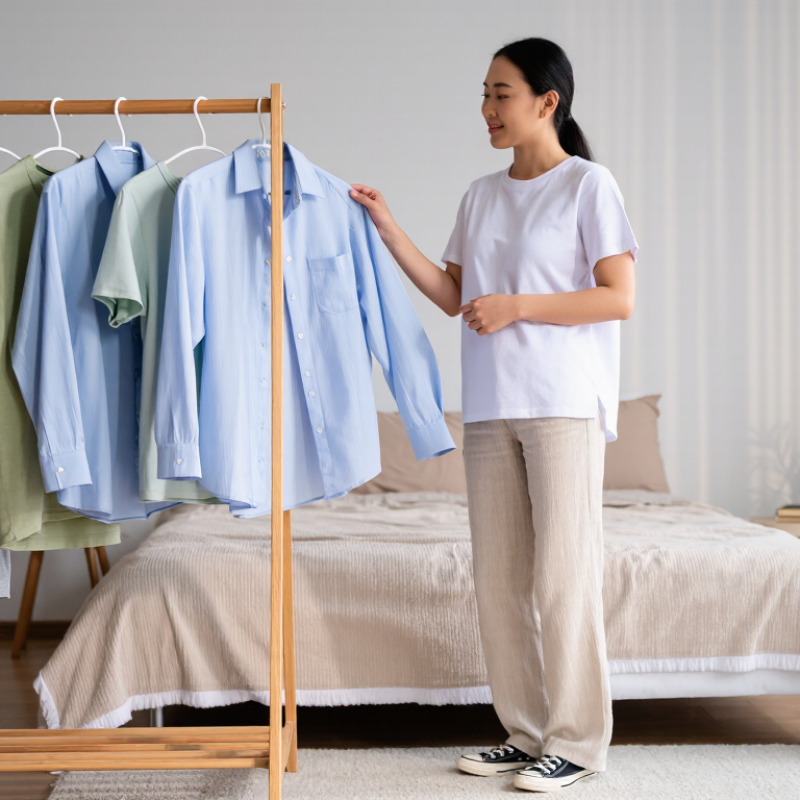
China Top Clothing How To Choose Comfortable Everyday Wear?

Understanding Comfort in Everyday Clothing

Comfort in everyday clothing begins with how a garment behaves against the body. A soft fabric may still feel restrictive if the shoulder seam pulls or the waistband presses while sitting. Check movement, not only appearance. Raise your arms, bend your knees, and walk for several minutes. Small discomfort becomes tiring after eight hours.

Material choice also matters. The 2024 Textile Exchange Materials Market Report estimates that polyester represented about 57% of global fiber production in 2023, while cotton accounted for roughly 19%. Polyester can dry quickly, but it may hold odor in warm conditions. Cotton usually feels breathable, yet it can stay damp after heavy movement. Blended fabrics can balance these weaknesses, although comfortable remains personal. There is no perfect fiber.

Look for flat seams, smooth labels, flexible waistbands, and enough room around the chest and hips. A practical everyday shirt should not twist when you reach for a cup. For hot weather, lighter fabric and airflow may matter more than softness. For cooler days, layered clothing offers better control than one heavy garment. The European Chemicals Agency recommends following care instructions because washing conditions affect textile performance and skin exposure. This point is easy to overlook. Even reliable sizing can fail when fabric shrinks. Before buying clothing from China or elsewhere, compare measurements, inspect the stitching, and test the garment’s comfort through ordinary movements. Fancy details are not always useful.

Choosing Breathable Fabrics for Different Seasons

China Top Clothing: How to Choose Comfortable Everyday Wear

Choosing Breathable Fabrics for Different Seasons

Comfort starts with airflow, not softness alone. Textile Exchange’s Materials Market Report 2024 estimates global fiber production reached 124 million tonnes in 2023. Polyester represented about 57 percent, while cotton accounted for roughly 22 percent. These figures show why fiber selection matters in daily clothing. Polyester dries quickly, but dense construction can trap heat. Cotton feels familiar and absorbs moisture, yet it may remain wet against the skin.

In hot, humid weather, choose lightweight cotton, linen, or lyocell with an open weave. Look for sleeves that leave space around the arms. A loose shirt can feel cooler than a thin, tight one. For spring and autumn, cotton-modal blends can balance softness, airflow, and shape retention. Check the fabric surface first. Smooth fabric is not always breathable.

Cold weather needs controlled ventilation. Merino wool or brushed cotton can hold warmth without excessive bulk. A breathable base layer should move sweat away from the skin. The International Wool Textile Organisation reports that wool can absorb significant moisture vapor before feeling wet, supporting comfort during temperature changes. Still, fiber claims need context. Finishing chemicals, fabric weight, and garment fit can change performance. I once chose a lightweight shirt that felt cool indoors but clung outdoors. That mistake remains useful: test clothing while walking, sitting, and reaching, not only under store lighting.

Finding the Right Fit, Cut, and Size

Choosing comfortable everyday wear from China starts with fit, not a size label.

Sizes can vary between factories, cuts, and fabric types. Measure your chest, waist, hips, and shoulder width with a soft tape. Keep the tape close to your body, but do not pull it tight. Compare these numbers with the seller’s size chart.

Fit should support movement. A shoulder seam should sit near your shoulder edge. Sleeves should allow you to bend your arms without pulling across the back.

For trousers, check the rise and thigh space before judging the waist. A relaxed cut works well for commuting, walking, and long hours indoors. A slim cut may look neat, but it can feel restrictive after lunch.

Fabric changes the fit too.

Cotton may soften after washing, while some blended materials keep their shape better. Check the washing instructions and allow for possible shrinkage.

I once chose a shirt by length alone; the shoulders were too narrow, and comfort disappeared quickly. That mistake still matters.

Do not rely on “medium” or “large” without measurements.

Try moving in the garment.

Raise your arms. Sit down. Walk a few steps. Look for twisting seams, tight armholes, or excess fabric at the lower back.

If you are between sizes, choose based on the widest area and adjust elsewhere with simple tailoring. No chart is perfect. Real comfort appears when the cut matches your body and your daily routine.

Checking Construction, Care, and Clothing Durability

Choosing comfortable everyday wear from China requires more than a soft first impression. I inspect the shoulder seams, sleeve attachment, and inner stitching before checking the fabric. Even stitches usually indicate careful construction. Reinforced points matter around pockets, cuffs, and waistbands. A smooth zipper helps, but it should not replace strong fabric and secure stitching. Hold the garment toward light. Thin areas can reveal uneven weaving.

Care instructions often predict a garment’s practical lifespan. Cotton may shrink after warm washing, while blended fabric can lose shape under high heat. I prefer clear labels that explain washing temperature, drying, and ironing limits. Cold washing and gentle cycles usually reduce stress on fibers. Air-drying helps, but direct sunlight may fade some dyes. Small details matter.

Durability needs realistic testing. I check whether the collar returns to shape after gentle stretching. I also examine loose threads after several wears, not just after opening the package. My own mistake was judging a shirt by fabric softness alone; it felt excellent, yet the seams weakened quickly. That experience changed my inspection habits. Comfort includes movement, breathability, and stable sizing. A dependable garment should remain wearable after repeated care, though no fabric lasts forever.

China Top Clothing: How to Choose Comfortable Everyday Wear? — Checking Construction, Care, and Clothing Durability

Everyday Garment Comfortable Fabric Choice Construction Details to Check Suitable Climate and Use Recommended Care Typical Durability Expectation Comfort and Durability Rating
Cotton T-Shirt Combed cotton or a cotton-modal blend; a fabric weight of approximately 150–220 g/m² is suitable for regular wear. Look for even stitching, a reinforced shoulder seam, a firmly attached neck rib, and a straight side seam without twisting. Suitable for warm weather, indoor use, casual activities, and layered outfits. Wash at 30–40°C, turn inside out, use a mild detergent, and air-dry away from strong direct sunlight. About 1–3 years with regular rotation and proper care; seams and collar usually show wear first. Comfort: 5/5
Durability: 3/5
Cotton Oxford Shirt Breathable cotton or a cotton-rich blend with a smooth surface and moderate structure. Check for secure buttons, clean buttonholes, a well-shaped collar, reinforced side seams, and evenly matched patterns where applicable. Suitable for office-casual clothing, travel, mild weather, and daily commuting. Wash according to the care label, avoid excessive heat, reshape while damp, and iron on the recommended setting. About 2–5 years when laundering is controlled; cuffs, collar, and underarm areas receive the most wear. Comfort: 4/5
Durability: 4/5
Linen Shirt Medium-weight linen or a linen-cotton blend for breathability and reduced wrinkling. Check for balanced seams, strong button attachments, neat hem finishing, and enough ease across the shoulders and chest. Well suited to hot, humid weather and relaxed everyday outfits. Use a gentle cycle or hand wash, avoid aggressive wringing, reshape after washing, and dry naturally. About 2–4 years; the fabric can become softer over time, while thin areas may develop around high-friction points. Comfort: 5/5
Durability: 3/5
Merino Wool Knitwear Fine-gauge merino wool or a wool blend with a soft hand feel and low-itch finish. Inspect the knit density, shoulder shaping, rib recovery, and flat, secure joining at sleeves and side seams. Suitable for cool weather, temperature changes, travel, and lightweight layering. Wash infrequently, use cool water and wool detergent, avoid fabric softener, dry flat, and store folded. About 3–8 years with careful handling; pilling and stretching are more likely when the garment is washed or stored incorrectly. Comfort: 5/5
Durability: 4/5
Everyday Denim Jeans Comfort-stretch denim with approximately 1–3% elastane for movement without excessive looseness. Check the rise and seat fit, belt-loop attachment, zipper operation, pocket reinforcement, and strong inseam stitching. Suitable for regular outdoor use, commuting, casual work environments, and cooler weather. Wash less frequently, turn inside out, use cold water, avoid high-heat drying, and air-dry when possible. About 2–5 years; knees, seat, crotch, hems, and stretch fibers are common wear points. Comfort: 4/5
Durability: 4/5
Cotton-Blend Chinos Cotton with a small amount of elastane for flexibility; a medium-weight twill offers practical everyday coverage. Look for a stable waistband, secure pocket openings, bar-tacked stress points, smooth zipper operation, and neat hems. Suitable for commuting, travel, smart-casual clothing, and moderate temperatures. Machine wash at the care-label temperature, avoid overloading the washer, and remove promptly to reduce creasing. About 2–4 years; pocket edges, waistband, knees, and inner thighs usually experience the most friction. Comfort: 4/5
Durability: 4/5
Polyester Performance Polo Lightweight moisture-wicking polyester or a polyester-spandex blend with breathable knit construction. Check fabric recovery after stretching, flat seams, a stable collar, reinforced side vents, and smooth seam allowances. Suitable for warm weather, active commuting, travel, and easy-care daily clothing. Wash at a low temperature, avoid chlorine bleach and high heat, and do not use excessive fabric softener on moisture-wicking fabric. About 2–4 years; odor retention, snagging, and loss of stretch may occur before major seam failure. Comfort: 4/5
Durability: 4/5
Lightweight Casual Jacket Durable cotton twill, recycled polyester, or a blended woven fabric with a breathable lining. Inspect zipper quality, pocket reinforcement, lining attachment, cuff construction, and seam allowance at the shoulders. Suitable for transitional seasons, light wind, travel, and everyday layering. Close zippers before washing, follow the care label, avoid harsh abrasion, and hang on a broad hanger after drying. About 3–7 years depending on fabric weight, frequency of use, and exposure to rain or abrasion. Comfort: 4/5
Durability: 4/5
Everyday Sweatshirt Cotton-polyester fleece or French terry for softness, warmth, shape retention, and easier drying. Check ribbed cuffs and hem recovery, hood or neckline attachment, shoulder seams, and the inside surface for even loops. Suitable for cool indoor environments, casual wear, travel, and relaxed outdoor activities. Wash inside out at 30–40°C, avoid high heat, and dry flat or on a suitable hanger to limit stretching. About 2–5 years; fleece compression, pilling, and rib stretching are typical signs of aging. Comfort: 5/5
Durability: 4/5
Everyday Underwear Soft cotton, cotton-modal, or breathable microfiber with a small amount of elastane for fit retention. Look for smooth seams, covered elastic, a secure gusset, and fabric that recovers after gentle stretching. Suitable for daily wear; choose moisture-managing fabric for warm or active conditions. Wash separately from rough garments, use a gentle cycle, avoid excessive heat, and do not use bleach unless permitted by the care label. About 6–18 months with frequent rotation; elastic recovery and fabric thinning are the main replacement indicators. Comfort: 5/5
Durability: 3/5

Practical selection rule: prioritize a comfortable fit, breathable fabric, even stitching, reinforced stress points, and care instructions that match your normal washing routine. Durability estimates are general ranges and vary with fabric quality, frequency of wear, laundering, storage, and friction.

Comparing Chinese Clothing Brands for Daily Wear

China Top Clothing: How to Choose Comfortable Everyday Wear?

Comparing Chinese Clothing Brands for Daily Wear

When comparing Chinese clothing brands for daily wear, comfort depends on fabric, fit, and construction. I usually check the fiber blend before judging a shirt by appearance. Cotton, linen, and modal can feel breathable, while polyester may improve durability. However, fabric quality varies within the same category. A soft surface does not always mean long-term comfort. Look closely at seams, buttons, hems, and the collar’s shape. Reliable sellers should provide clear size charts, garment measurements, and care instructions. Customer photos can also reveal how clothing fits real bodies.

Tips: Check the fabric percentage first. Measure a similar garment at home. Choose room around the shoulders and waist. Avoid clothing that feels tight when sitting. Read washing instructions carefully.

Chinese clothing brands often offer different strengths. Some create relaxed silhouettes for commuting, while others focus on simple basics or technical fabrics. Compare weight, stretch, shrinkage risk, and return policies rather than relying on low prices. My own mistake was choosing a loose shirt that looked comfortable but had stiff shoulder seams. It became irritating after several hours. Small details matter. A smooth inner seam, breathable underarm panel, and secure pocket can improve daily use. Still, online descriptions may be incomplete, so expectations should remain realistic. Comfort is personal, and even expert advice cannot replace wearing the garment through a normal day.

FAQS

Which fabrics work best in hot, humid weather?

Choose lightweight cotton, linen, or lyocell with an open weave. Loose sleeves improve airflow around your arms. A thin, tight shirt may feel hotter than a loose one. Smooth fabric is not always breathable.

Is polyester comfortable for everyday summer clothing?

Polyester dries quickly and can improve durability. However, dense polyester fabric may trap heat near your skin. Check the fabric weight and weave. Quick drying is not the same as cool comfort.

What fabrics suit spring and autumn?

Cotton-modal blends can balance softness, airflow, and shape retention. Light layers help manage changing temperatures. A breathable shirt under a thin jacket often works well. Test the combination outdoors.

How can wool keep me comfortable in cooler weather?

Merino wool can hold warmth without excessive bulk. It can also absorb moisture vapor before feeling wet. Fabric weight, finishing, and fit still affect performance. Fiber claims need context.

How should I choose the correct clothing size?

Measure your chest, waist, hips, and shoulder width with a soft tape. Compare those measurements with the garment’s size chart. Do not trust “medium” or “large” alone. Labels vary.

What movements should I test before buying clothing?

Raise your arms, bend your elbows, sit down, and walk several steps. Watch for tight armholes, twisting seams, or back pulling. Try the garment beyond store lighting. Real comfort appears during movement.

How does clothing fit affect daily comfort?

A relaxed cut suits commuting, walking, and long indoor hours. Slim clothing may look neat but feel restrictive after eating. Check shoulder space, thigh room, and trouser rise. Fit changes everything.

What details should I inspect besides the fabric?

Examine seams, buttons, hems, collars, and inner stitching. Smooth seams reduce irritation during long wear. Breathable underarm panels can help during active days. Small details matter.

How can I compare clothing sellers fairly?

Compare fiber percentages, garment measurements, fabric weight, stretch, shrinkage risk, and care instructions. Customer photos may show real fit more clearly. Return policies also matter. Low prices can mislead.

What common mistake should shoppers avoid?

Do not choose a shirt by length or appearance alone. I once bought a loose shirt with stiff shoulder seams. It looked comfortable but became irritating after hours. That mistake still needs remembering.

Conclusion

Choosing comfortable everyday clothing begins with understanding how fabric, fit, and construction work together. How To Choose Comfortable Everyday Clothing depends on selecting soft, breathable materials that suit the season, such as lightweight fabrics for warm weather and insulating yet moisture-managing options for cooler days. The right size should allow easy movement without feeling loose or restrictive, while a suitable cut should match your daily activities and personal preferences.

Comfort also depends on quality details, including smooth seams, secure stitching, practical closures, and durable fabric that can withstand regular washing. Checking care instructions helps preserve the garment’s softness, shape, and appearance over time. When comparing Chinese clothing brands for daily wear, focus on material information, sizing consistency, workmanship, customer feedback, and overall value rather than appearance alone. A thoughtful combination of breathability, fit, durability, and easy care can make everyday clothing more comfortable and reliable.

Oliver

Oliver

Oliver is a seasoned marketing professional with a wealth of expertise in driving brand awareness and engagement. With a deep understanding of our company's product offerings, he consistently delivers high-quality content that enriches our professional blog. His insights not only shed light on......