How To Maintain Clothing Quality After Washing is a practical question for anyone who wants garments to last longer. Washing removes sweat and stains, but it can also weaken fibers, fade colors, and change a garment’s shape. Cotton may shrink in hot water. Wool can felt when handled roughly. Stretch fabrics may lose recovery after repeated heat exposure. Understanding these risks helps you choose safer washing and drying methods.
Small habits make a measurable difference. Read the care label before selecting a cycle, especially for dark, delicate, or blended fabrics. Turn printed clothing inside out, close zippers, and separate heavy items from lightweight garments. Use the recommended detergent amount; more detergent does not mean cleaner clothes. Cold or lukewarm water often protects color and reduces fiber stress. A gentle cycle can help, but it is not suitable for every material. Check the fabric’s instructions.
Drying deserves equal attention. Remove clothes promptly to reduce deep wrinkles and musty odors. Reshape knitted garments on a flat towel instead of hanging them while wet. Air-drying usually places less stress on fibers than high heat, although some items need controlled tumble drying. I have found that drying time, airflow, and garment weight affect the final shape more than expected. Mistakes still happen. A care label may be unclear, and a favorite shirt may shrink despite careful handling. When uncertain, test a small hidden area and choose the gentlest reasonable method. Regular inspection also matters. Look for loose seams, pilling, fading, or stretched collars before problems become permanent. With consistent care, clothing can remain comfortable, attractive, and useful for many more washes.
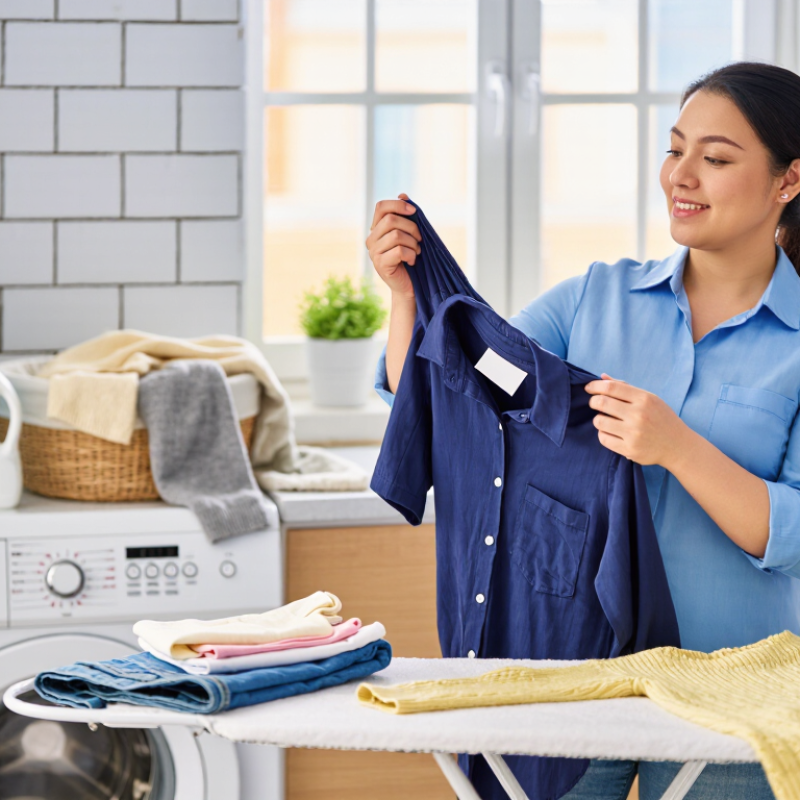
Understanding How Washing Affects Clothing Quality
Washing does more than remove sweat and stains. Water, heat, detergent, and friction all change a garment’s structure over time. Cotton fibers may swell, then contract as they dry. Wool can felt when exposed to heat and rough movement. Stretch fabrics often lose recovery when high temperatures repeatedly weaken their elastic fibers. Even color can fade, because dyes slowly release during agitation and rinsing. This is why a shirt may feel thinner after months of ordinary care.
I check care labels, but I do not treat them as perfect predictions. A cold cycle still varies between machines, and a crowded drum creates extra rubbing. I usually turn dark garments inside out, close fasteners, and separate heavy items from lightweight knits. Mild detergent helps reduce residue, while overfilling can leave both fabric and machine poorly cleaned. Shorter cycles are useful for lightly worn clothing. Not always, though. Oily or muddy garments need a suitable wash and enough rinsing.
Drying often causes more damage than washing. High heat can shrink fibers, flatten texture, and harden printed areas. I remove clothes promptly, reshape knitwear on a flat towel, and hang sturdy pieces where air can circulate. Delicate items should avoid direct sunlight, which may weaken fibers and fade color. I learned this through small failures: one hurried tumble-dry cycle can undo months of careful handling. Still, no method preserves every garment forever. Fabric age, water hardness, and daily wear matter too.
How Washing Affects Clothing Quality
Typical dimensional change after repeated home washing, shown as an approximate percentage of the original garment size. Natural fibers generally shrink more than synthetic fibers, especially when exposed to high heat.
The figures represent typical ranges reported for common textile fibers after repeated washing and drying. Actual results vary according to fabric construction, finishing treatments, water temperature, detergent, agitation, and drying method. Cold washing, gentle cycles, and air drying can help reduce shrinkage and preserve garment shape.
Sorting Clothes and Choosing the Right Washing Method
How To Maintain Clothing Quality After Washing?
Sorting clothes is the quiet step that protects fabric quality.
Sort by color, fabric weight, and washing temperature. Sort before washing. Dark denim can transfer dye onto pale cotton, especially in warm water. Heavy towels can also abrade lightweight shirts inside the drum. I still misread labels sometimes, so I check them twice.
The care label provides the safest starting point.
Use a gentle cycle for wool, silk, lace, and stretch fabrics. Choose a normal cycle for durable cotton and linen. Keep similar textures together. Close zippers, empty pockets, and turn printed garments inside out. Cold water helps. The International Union for Conservation of Nature estimated that synthetic textiles contribute about 35% of primary microplastic releases into oceans. A washing bag or certified fiber filter may reduce shedding, but neither removes every fiber.
Avoid filling the machine tightly.
Clothes need space to move and rinse properly. Use measured detergent; excess product can leave stiff residue. Air-dry delicate items flat, while reshaping damp knitwear by hand. Avoid direct heat and harsh sunlight. WRAP’s Valuing Our Clothes report found that extending clothing life by nine months could reduce carbon, water, and waste footprints by roughly 20–30%. That figure is persuasive, though home results vary with fabric, machine settings, and drying habits. Inspect seams before storing. Small repairs are easier before damage spreads.
Selecting Suitable Water Temperature, Detergent, and Cycle Settings
How To Maintain Clothing Quality After Washing?
Selecting Suitable Water Temperature, Detergent, and Cycle Settings
Clothing lasts longer when washing settings match the fabric. Check the care label before choosing a temperature. Cold water suits dark colors, delicate fibers, and lightly soiled garments. Warm water can remove body oils more effectively from durable cotton. Hot water should be used carefully, because it may shrink fibers and fade dyes. I once washed a cotton shirt too warmly. Its sleeves became noticeably shorter.
Detergent amount also matters. Too much detergent can remain in fabric and make it feel stiff. Too little may leave sweat and dirt behind. Use a gentle formula for silk, wool, or other fragile materials. Choose a stronger cleaning option only when the fabric label allows it. Avoid filling the drum completely. Clothes need room to move, rinse, and release dirt.
Tips: Turn dark garments inside out, close zippers, and separate heavy items from lightweight fabrics. Select a gentle cycle for thin clothing and a normal cycle for sturdy towels or jeans. Use a lower spin speed for delicate pieces. It reduces stretching, although clothes may take longer to dry. Air-dry most garments when possible, and reshape knitted items while damp. My own mistake is rushing this step; overheated drying can quietly weaken elastic and fibers.
How To Maintain Clothing Quality After Washing? — Selecting Suitable Water Temperature, Detergent, and Cycle Settings
| Fabric or Garment Type |
Recommended Water Temperature |
Suitable Detergent |
Cycle Setting |
Spin Setting |
Key Care Reason |
| White cotton shirts and bedding |
40–60°C / 104–140°F |
Regular detergent; use a color-safe oxygen bleach only when the care label permits |
Normal or cotton cycle |
Medium to high |
Warm water helps remove body oils and soil. Use 60°C only for durable items and when the care label allows it. |
| Colored cotton garments |
30–40°C / 86–104°F |
Color-safe liquid or powder detergent; avoid chlorine bleach |
Normal or cotton cycle |
Medium |
Cooler water reduces dye fading and limits unnecessary fiber stress while still cleaning everyday dirt. |
| Synthetic fabrics such as polyester and nylon |
30–40°C / 86–104°F |
Mild liquid detergent; avoid excessive detergent and routine fabric softener use |
Synthetics or easy-care cycle |
Low to medium |
Lower temperatures help protect shape and reduce heat-related damage. A moderate cycle helps limit creasing. |
| Activewear and moisture-wicking clothing |
Cold–30°C / 30–86°F |
Mild liquid detergent; do not use fabric softener |
Sportswear, synthetics, or gentle cycle |
Low to medium |
Fabric softener can coat performance fibers and reduce moisture-wicking and odor-control performance. |
| Wool and cashmere |
Cold–30°C / 30–86°F |
Wool- or delicate-specific detergent |
Wool or hand-wash cycle |
Very low or no spin |
Cool water and gentle movement help reduce felting, shrinking, stretching, and surface damage. |
| Silk and delicate lingerie |
Cold–30°C / 30–86°F |
pH-neutral delicate detergent |
Delicate or hand-wash cycle |
Very low or no spin |
Silk fibers are sensitive to heat, friction, and strong chemicals. Use a mesh laundry bag when appropriate. |
| Denim and dark garments |
Cold–30°C / 30–86°F |
Color-safe detergent; avoid bleach |
Gentle or denim cycle |
Low to medium |
Turn items inside out and wash with similar colors to help preserve dye and reduce surface abrasion. |
| Towels and durable household textiles |
40–60°C / 104–140°F |
Regular detergent; avoid excess detergent and fabric softener |
Cotton or towels cycle |
High, if the care label permits |
Adequate rinsing helps prevent detergent buildup. Fabric softener may reduce towel absorbency over time. |
| Embellished, printed, or delicate knits |
Cold–30°C / 30–86°F |
Mild liquid detergent |
Delicate or gentle cycle |
Low |
Turn garments inside out and place fragile items in a mesh bag to reduce snagging, pilling, and print wear. |
Always check the garment care label first. When no label is available, choose the coolest suitable temperature, the gentlest effective cycle, and the lowest effective detergent dose. Promptly remove washed clothing, reshape delicate items, and dry them according to the fabric’s care instructions.
Drying Clothes Properly to Prevent Shrinking and Fabric Damage
Drying controls much of what washing has already put at risk. High heat can tighten cotton, weaken elastic, and distort printed surfaces. Wool and other animal fibers need special care because heat, moisture, and movement can cause felting. The International Wool Textile Organisation recommends gentle handling and flat drying for many wool garments. I place knitwear on a dry towel, reshape the shoulders, and keep it away from radiators. It takes longer. The shape is usually worth it.
For washable cotton, remove clothes from the machine quickly. Shake each item once, then smooth collars, seams, and cuffs by hand. Use a low-heat dryer setting when necessary. The U.S. Department of Energy reports that heat-pump dryers can use 20–60% less energy than conventional models. Lower heat also gives fibers less thermal stress. Stop the cycle while garments feel slightly damp. Hang shirts on broad hangers, not thin wire ones. Never hang heavy knitwear, because gravity can stretch wet loops.
Sunlight helps, but direct, intense exposure may fade dark colors. Dry bright garments inside out, preferably in moving shade. Clean the lint filter after every dryer load. I sometimes leave towels too long. That habit makes them rougher and wastes energy. A 2023 review in the Journal of Cleaner Production links excessive drying heat and repeated laundering with faster textile aging. Air drying is not always practical, especially in humid rooms. Still, combining short low-heat cycles with indoor airflow protects fabric better than maximum heat.
Storing and Maintaining Clean Clothes for Long-Term Use
How To Maintain Clothing Quality After Washing?
Clean clothes need careful storage, not just a gentle wash.
Dry every item completely before putting it away. Slightly damp fabric can develop mildew and unpleasant odors. I once stored a shirt too soon. The smell stayed after another wash.
Fold knitted garments on a shelf to prevent stretched shoulders. Hang shirts, trousers, and woven dresses on shaped hangers. Leave space between pieces so air can circulate.
Avoid heavy piles. They create deep creases and crush delicate fibers. Store clothing in a cool, dry, dark place. Breathable fabric bags work better than sealed plastic for long-term storage. Keep clean items away from shoes, cosmetics, and dusty floors.
The WRAP report Valuing Our Clothes found that extending clothing life by nine months could reduce carbon, water, and waste footprints by 20–30%. Storage supports that goal by limiting stretching, fading, and avoidable rewashing.
Inspect garments before seasonal storage. Repair loose buttons and empty pockets first. Clean stains before they become permanent. However, not every “eco-friendly” storage habit works equally well. Cedar products may repel insects, but they cannot replace washing and ventilation.
A practical routine is imperfect. Check clothes again after several weeks. If fabric feels damp, move it immediately. The International Textile Research and Education Centre also emphasizes that fiber care must match garment construction, since heat and compression affect materials differently.
FAQS
Sort garments by color, fabric weight, and washing temperature. Dark denim may stain pale cotton in warm water. Heavy towels can damage lightweight shirts. Sorting takes a minute.
Use a gentle cycle for wool, silk, lace, and stretch fabrics. Durable cotton and linen usually handle normal cycles. Always check the care label twice. I still misread labels sometimes.
Close zippers, empty pockets, and turn printed garments inside out. Leave enough space inside the drum. Measured detergent prevents stiff residue. Cold water is often kinder.
Washing bags and certified fiber filters may reduce released fibers. They cannot capture every fiber. Synthetic textiles remain a major source of ocean microplastics. The solution is helpful, not perfect.
Lay knitwear flat on a dry towel. Reshape the shoulders and sleeves by hand. Keep it away from radiators and direct heat. It takes longer. The shape usually survives better.
Use low heat when machine drying is necessary. Remove cotton items quickly and smooth collars, cuffs, and seams. Stop while garments feel slightly damp. Maximum heat is tempting, but damaging.
Strong sunlight can fade dark colors. Turn bright garments inside out and use moving shade. Indoor airflow can work in humid weather. It is slower, but often gentler.
Dry every item completely before storage. Fold knitwear on shelves to prevent stretched shoulders. Hang woven garments on shaped hangers. Leave space for air circulation. Avoid heavy piles.
Store clothes in a cool, dry, dark place. Use breathable fabric bags instead of sealed plastic for long-term storage. Repair loose buttons before damage spreads. Check stored garments again after several weeks.
Leaving towels in the dryer can make them rough and waste energy. Storing slightly damp clothes may cause mildew and odors. “Eco-friendly” habits are not automatically effective. Ventilation still matters.
Conclusion
How To Maintain Clothing Quality After Washing begins with understanding how washing can affect fibers, color, shape, and surface texture. Sort garments by color, fabric type, and washing needs before selecting a suitable method. Delicate items may require gentle hand washing or a low-agitation cycle, while durable fabrics can usually handle regular washing. Choosing the proper water temperature, mild detergent, and cycle setting helps reduce fading, stretching, shrinking, and unnecessary wear.
Drying is equally important for preserving clothing quality. Avoid excessive heat when caring for sensitive fabrics, reshape garments while damp, and use air-drying whenever appropriate. Once clothes are fully dry, fold or hang them according to their structure, keeping them in a clean, dry, and well-ventilated space. Regularly checking for stains, loose threads, and minor damage also supports long-term use. With careful washing, drying, and storage habits, clothing can remain comfortable, attractive, and durable for much longer.

 VORA Fashion