In today's global marketplace, the question remains: What Defines Modern Fashion Style? This query resonates deeply with consumers, designers, and industry experts alike. For buyers, fashion is not merely about clothing; it’s an extension of identity and personal expression. Influencers, social media, and evolving cultural narratives play pivotal roles in shaping tastes and preferences.
Modern fashion style often reflects the convergence of diverse influences. Cultural backgrounds, environmental sustainability, and technological advancements all weave into the fabric of style decisions. However, the challenge lies in distinguishing between trends and what truly resonates with individual values. Consumers may find themselves drawn to fast fashion yet yearn for authenticity and craftsmanship. This juxtaposition invites deeper reflection on the meaning of style.
As buyers navigate choices in a saturated market, understanding what defines modern fashion becomes essential. The essence of style today is multifaceted, constantly evolving, and often contradictory. By engaging critically with these elements, global consumers can foster a more conscious and unique approach to their fashion choices.
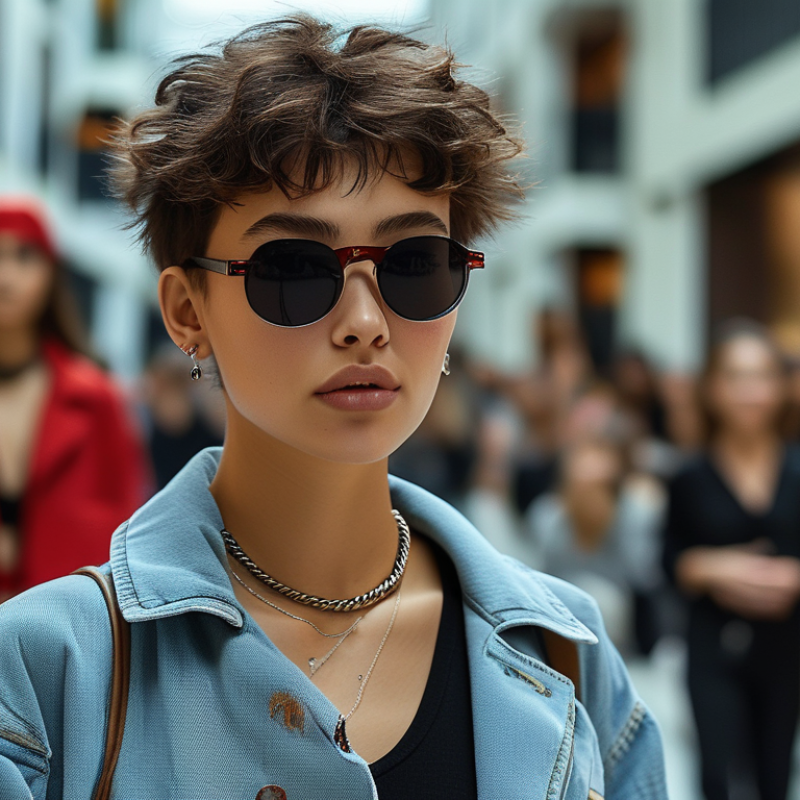
Modern fashion style in a globalized market is shaped by various key characteristics. One prominent feature is diversity. According to a report by McKinsey, 75% of consumers value brands that reflect their personal identity. This shift encourages brands to adopt inclusive designs that cater to different cultures and body types. The rise of streetwear also showcases a departure from traditional haute couture, appealing to a younger demographic seeking authenticity.
Sustainability is another defining trait. The Global Fashion Agenda indicates that 80% of consumers consider sustainability as a critical influence on their purchasing decisions. Eco-friendly materials and ethical production practices are now priorities for many buyers. However, this shift requires ongoing commitment from brands. Many still struggle to balance style with sustainable practices, leading to questions about the authenticity of their claims.
Trend adaptation is vital in a fast-paced market. Consumers expect brands to respond quickly to emerging trends. This agility can sometimes lead to superficial designs that lack depth. Fast fashion’s rapid turnover often sacrifices quality for speed, leaving gaps in consumer satisfaction. Real engagement requires brands to foster genuine connections rather than just follow fleeting trends.
Cultural diversity shapes modern fashion trends in profound ways. Various cultures bring unique perspectives, colors, and textures to the global fashion scene. This blend creates styles that resonate with a broader audience. From African prints to Asian silks, the incorporation of diverse elements adds richness to fashion. Designers often draw inspiration from traditional garments. They reinterpret them, making them appealing to contemporary buyers.
However, the integration of cultures can lead to misunderstandings. Appropriation versus appreciation is a critical conversation in fashion today. Some styles may lose their original meaning when commercialized. This raises questions about authenticity and respect. Consumers are increasingly aware of these issues. They seek brands that honor cultural origins rather than exploit them. The challenge lies in balancing innovation with preservation.
Furthermore, global events influence fashion, reflecting societal changes. For instance, movements advocating for inclusivity have pushed brands to embrace diverse representations. Fashion is no longer just about aesthetics; it tells stories. As buyers navigate this landscape, their choices reflect their values and beliefs. They increasingly support brands that convey a deeper understanding of cultural nuances.
Social media profoundly influences fashion choices among global buyers. Platforms like Instagram and TikTok drive trends at lightning speed. Users scroll through endless feeds, highlighting various styles. This constant exposure shapes personal taste and encourages consumers to experiment with their looks.
Influencers play a significant role in this process. Their opinions hold power over follower preferences. A well-placed post can make or break a trend. However, this leads to a cycle of overconsumption. Buyers often feel pressured to keep up with the latest styles, risking financial strain. The pressure to fit in can overshadow personal style.
Despite the accessibility of fashion inspiration, finding authentic expression can be challenging. Many people mimic online trends rather than develop their unique style. This raises questions about individuality in a world dominated by curated aesthetics. A balance between inspiration and self-expression is crucial for sustainable fashion choices.
| Demographic | Fashion Influences | Social Media Platform | Consumer Behavior | Shopping Preferences |
|---|---|---|---|---|
| 18-24 years | Trends & Influencers | Spontaneous Purchases | Online Shopping | |
| 25-34 years | Sustainability & Ethics | Research-Oriented | Mixed (Online & In-store) | |
| 35-44 years | Quality & Longevity | Brand Loyalty | In-store Shopping | |
| 45+ years | Timeless Styles | YouTube | Traditional Shopping | In-store Shopping |
Sustainability in fashion has become a pressing concern for global buyers. A recent report from McKinsey & Company reveals that over 67% of consumers consider sustainability when making purchases. This shift reflects an increasing awareness of environmental issues. Fashion has a significant carbon footprint, contributing nearly 10% of global greenhouse gas emissions. As consumers demand more eco-friendly options, brands face pressure to adapt.
Ethical considerations also play a crucial role in shaping modern fashion. The Fashion Revolution’s "Who Made My Clothes?" campaign highlights labor practices in the industry. A significant percentage of fast fashion workers face challenging conditions and low wages. This ethical dilemma has prompted brands to improve transparency. Many consumers now seek brands that prioritize fair labor practices alongside sustainability.
These issues require reflection and action. The industry must balance profitability with ethical responsibilities. While some companies lead in making sustainable choices, others lag behind. Consumers are increasingly holding brands accountable. Yet, the journey toward a more sustainable fashion industry remains complex and requires commitment from all stakeholders.
Emerging technologies are revolutionizing the fashion landscape. Virtual reality (VR) and augmented reality (AR) allow customers to try on clothes digitally. This shifts how consumers engage with brands. For many, the experience feels more personal.
Artificial intelligence (AI) helps designers create unique pieces based on consumer preferences.
Algorithms analyze trends and predict what styles will be successful. This data-driven approach can lead to more sustainable choices, cutting down on waste. Yet, over-reliance on technology raises concerns. Creativity may suffer as machines dictate trends.
Blockchain technology offers transparency in supply chains. Buyers want to know where their clothes come from. With blockchain, brands can show the journey of each garment. However, this requires cooperation among various stakeholders. The fashion industry must balance innovation with tradition to thrive.
: Diversity is a prominent feature, reflecting various cultures and identities.
Around 80% of consumers consider sustainability vital when making purchases.
Many brands struggle to balance style and sustainable practices effectively.
Different cultures contribute unique styles, colors, and textures to global fashion.
Issues of appropriation and respect often come into play, raising authenticity questions.
Platforms like Instagram affect fashion choices and create pressures to follow trends.
Influencers significantly impact follower preferences, often dictating trends.
The speed often sacrifices quality, leaving consumers dissatisfied.
Many struggle to express their unique style amidst curated online aesthetics.
Finding this balance helps encourage sustainable fashion choices.
The modern fashion style for global buyers is defined by a blend of key characteristics that reflect the complexities of a globalized market. Central to this is the influence of cultural diversity, which inspires designers to create unique styles that resonate with various demographics. Social media has also reshaped fashion choices, allowing consumers to engage with trends in real-time and facilitating a more democratic approach to style.
Additionally, sustainability and ethical considerations have become crucial, as consumers increasingly seek brands that prioritize responsible practices. Emerging technologies are further shaping the future of fashion design and retail, introducing innovative methods that enhance creativity and efficiency. Collectively, these elements answer the question, "What Defines Modern Fashion Style," showcasing a dynamic interplay of cultural, social, and technological factors that mold contemporary fashion.
