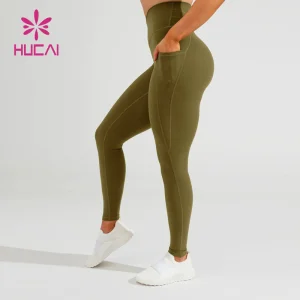
High-performance technical wear, streetwear essentials, and lifestyle fabrics crafted under certified manufacturing protocols.
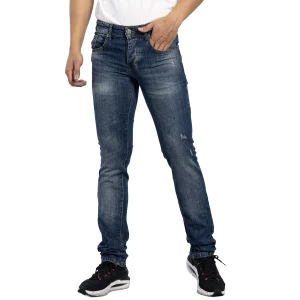
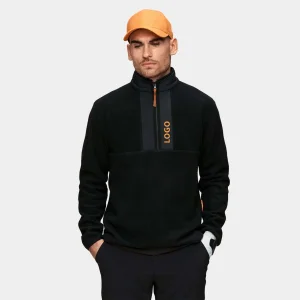
From subculture movements to structural global apparel economies: A professional analysis of current B2B supply chain patterns.
The global streetwear ecosystem has transitioned from a niche design subculture into a dominant force in the luxury and premium apparel segments, currently valued at over $180 billion globally. For procurement officers, brand directors, and apparel designers, choosing the right streetwear clothing manufacturer represents the critical difference between sustainable brand growth and rapid commercial erosion. Modern consumers demand high-density textiles, complex wash treatments, and ethical supply chains that are impossible to execute with standard fast-fashion factories.
In response to these shifting expectations, progressive manufacturing plants have restructured their operations to offer custom premium solutions. This includes the development of complex knit patterns (such as 400GSM+ loopback French terry and heavy rib weaves), highly specific raw material sourcing (such as organic cotton compliant with GOTS and OEKO-TEX standards), and advanced structural detailing (including dropped-shoulder geometries and bar-tack reinforcement at key stress points).
Access to proprietary vertical mills spinning 21S to 32S compact yarns, yielding heavy-duty loopback French Terry, heavy fleece, and double-knit interlocks ranging from 280 to 500 GSM.
Agile pattern makers and tech-pack specialists executing 3D digital simulation renders using CLO 3D to ensure fit accuracy and significantly reduce fabric waste prior to bulk cuts.
Rigorous compliance and factory audits under WRAP, BSCI, and Sedex guidelines, offering secure import credentials to enterprise streetwear labels across the EU and North America.
Decentralized logistics, customized washing, and chemical safety rules that separate premium apparel from mass-market products.
Streetwear garments frequently undergo intensive finishing processes. Brands targeting high-end consumer groups require specific mechanical finishes, including carbon peach brush processing for a velvety handfeel, silicon wash treatments for fluidity, and enzyme bio-polishing to remove fuzz and prevent future pilling. The application of dye chemistry must be strictly controlled, employing reactive dyes to achieve deep pigments, high fastness properties, and to avoid bleeding during domestic washing cycles.
In addition, modern streetwear labels require functional properties engineered directly into high-density knits. Features like moisture wicking, quick-dry performance (evident in custom athletic wear), and premium warmth insulation (typically in high-pile sherpa products) are vital to meeting active and outdoor-lifestyle demands.
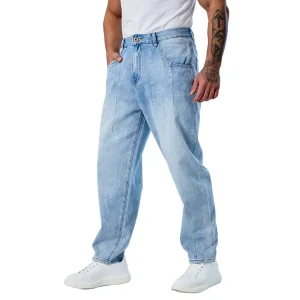
As EU and US sustainability guidelines become stricter, traceability is a critical requirement. The use of recycled polyester, certified organic cotton, and low-water consumption garment dye processes are no longer optional. Modern suppliers must implement digital trace tokens and verify the raw-material inputs of all blends, including heavy fleece, activewear shorts, and specialized denim.
Industrial manufacturing methods that enable unique textures, oversized silhouettes, and high durability.
Industrial wash facilities offering acid wash, snow wash, vintage ozone fade, mineral dye wash, and stone wash processing. These techniques are controlled to prevent fiber degradation and shrinkage.
High-density puff printing, silicone gel print, chenille patch embroidery, distressed tackle twill, and discharge print techniques, engineered for industrial washing durability.
Advanced pattern modification including dropped-shoulder block configurations, pre-shrunk dimensional stabilization, curved drop-hem cutting, and custom side-seam split setups to achieve perfect street silhouettes.
How our manufacturing infrastructure ensures seamless global exports and consistent fabric qualities.
A major risk in streetwear importing is product variance between batches. As an established streetwear partner, we address this through systematic controls, including spectrophotometer dye-matching, strict fiber moisture tests, and tensionless fabric relaxation for 24-48 hours before cutting to prevent post-production shrinkage.
Our localized customs clearance assistance, DDP shipping options, and compliance with EU/US chemical regulations (including REACH and CPSIA compliance) ensure seamless logistics and product safety at every border crossing.
Expert technical answers to critical sourcing, production capabilities, and logistical queries.
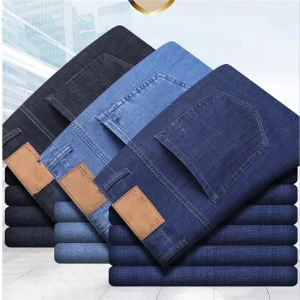
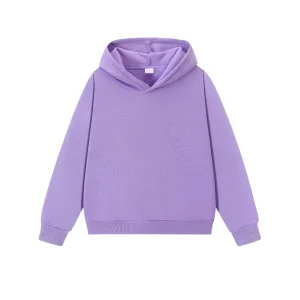
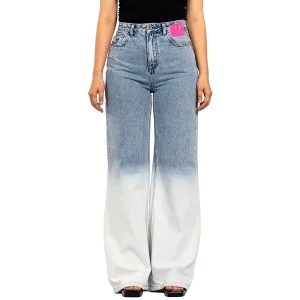
High-flex activewear, performance knits, and premium denim built with precision construction and advanced materials.
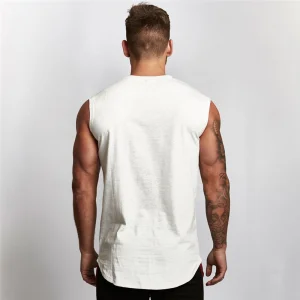



Investing in smart automation, zero-waste cutting mills, and secure B2B client integrations.
Our long-term manufacturing roadmap integrates smart-factory automation with advanced production systems. We are transitioning our printing processes to zero-emission digital systems to reduce chemical waste by up to 80%.
In addition, our cutting facilities feature AI-assisted nesting systems that optimize fabric usage and minimize offcut waste. These advancements allow us to reduce resource consumption while keeping production fast and responsive for fashion brands worldwide.
 VORA Fashion