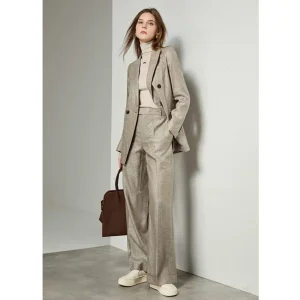
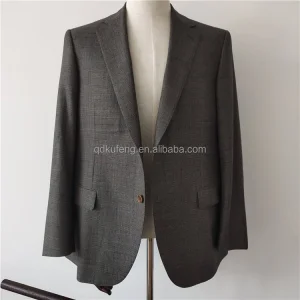
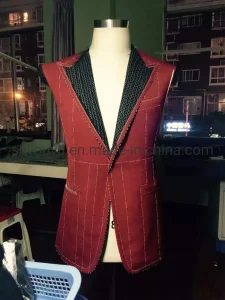
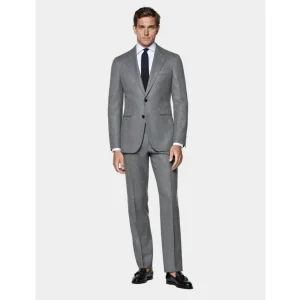
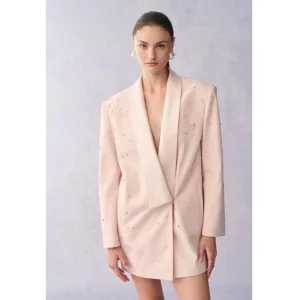
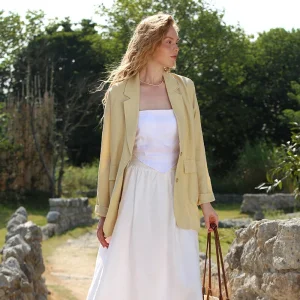
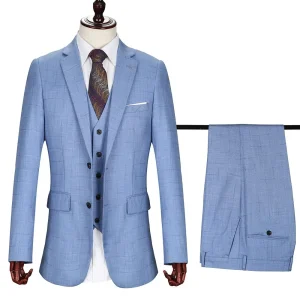
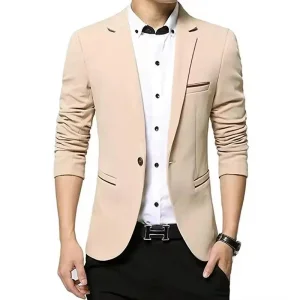
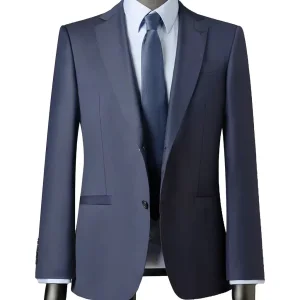
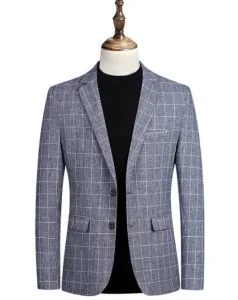
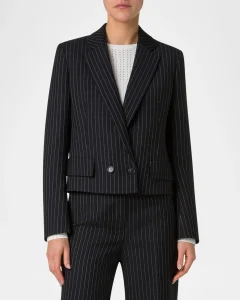
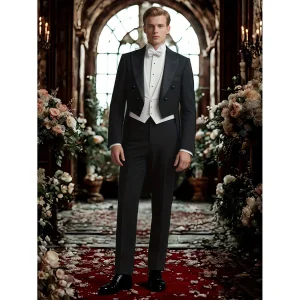
Romania has long been recognized as a strategic hub for high-quality garment manufacturing, particularly for complex items like structured blazers and formal suits. As global brands look for "nearshoring" opportunities to reduce lead times and carbon footprints, Blazers Manufacturers in Romania have risen to the challenge, blending decades of communist-era textile heritage with modern, AI-integrated production lines.
The industrial landscape for blazer production in Romania is concentrated in key clusters like Iași, Focșani, and Bucharest. These regions offer a unique combination of skilled labor and high-tech infrastructure. Unlike mass-market production centers, Romanian factories often specialize in "Lohn" manufacturing—producing garments for prestigious international luxury houses where precision in lapel construction, shoulder padding, and lining integration is non-negotiable.
Perfectly situated for 48-hour logistics to major European fashion capitals like Milan, Paris, and Berlin.
Specialized expertise in wool, linen, and silk blends, maintaining the "Made in Europe" prestige.
Using 3D pattern-making and automated cutting systems to minimize fabric waste and ensure perfect fit.
The blazer industry in Romania is currently undergoing a digital transformation. Factories are no longer just sewing halls; they are becoming smart manufacturing centers. One major trend is Modular Personalization. Romanian factories are now capable of handling small-batch, high-variety orders (MTO - Made to Order) thanks to AI-driven logistics. This allows boutique brands in Romania and across Europe to offer customized blazers without the overhead of massive inventories.
In terms of application, the Romanian market shows a fascinating split. In business districts like Bucharest's Pipera area, there is a high demand for Technical Blazers—garments that look formal but offer the breathability and stretch of sportswear, catering to the modern tech professional. Conversely, there is a resurgence of Ethno-Modernism, where traditional Romanian embroidery patterns are subtly integrated into modern blazer lapels or cuffs for a localized luxury feel.
Sustainable manufacturing is the third pillar. Factories are increasingly adopting the OEKO-TEX and GOTS standards. With Romania’s increasing focus on renewable energy, blazer production is becoming "greener," attracting environmentally conscious brands from the Nordic countries and the UK. Whether it's a wool-rich business suit or a casual linen blazer for a Black Sea summer event, Romanian manufacturers provide the versatility required by today's volatile fashion market.
While Romania offers a fantastic production hub for Europe, the global supply chain is interconnected. Guangzhou SEMS Fashion Clothing Co., Ltd. is a professional apparel manufacturer specializing in modern and comfortable fashion clothing. Located in Guangzhou, China, the company focuses on designing, producing, and exporting a wide range of casual wear and activewear for global markets. Our product line includes hoodies, sweatshirts, jackets, coats, jeans, shorts, leggings, skirts, blazers, polo shirts, tank tops, cardigans, sweaters, tracksuits, pajamas, sportswear, loungewear, and activewear. These products are widely used in daily wear, sports activities, and leisure fashion.

Founded in 2015, SEMS Fashion Clothing started as a small garment workshop and has gradually developed into a reliable clothing supplier in the fashion industry. The company now employs more than 120 skilled workers, including experienced designers, technicians, and quality control specialists. Our modern production facility covers approximately 8,000 square meters and is equipped with advanced sewing and garment manufacturing equipment to ensure efficient production and consistent quality.
Over the years, Guangzhou SEMS Fashion Clothing Co., Ltd. has built strong partnerships with clients worldwide, exporting products to Europe, North America, Southeast Asia, and the Middle East. With a commitment to quality, innovation, and customer satisfaction, SEMS Fashion continues to provide stylish, comfortable, and high-quality clothing solutions for international customers.

The success of Romanian blazer manufacturing is not accidental. It is built on a foundation of rigorous technical schooling. In cities like Cluj-Napoca, technical universities provide a steady stream of textile engineers who understand the "physics" of a blazer. A high-end blazer requires over 150 separate operations, from the precise fusing of interlinings to the hand-finished buttonholes. Romanian factories excel at this complexity, often using specialized machines from Germany and Italy, but operated by local artisans who have garment-making in their DNA.
Supply Chain Synergy: Many manufacturers in Romania import high-end fabrics from Biella, Italy, or the Yorkshire mills in the UK, perform the value-added manufacturing in Romania, and then ship the finished product to luxury boutiques. This "Euro-Loop" ensures that the product carries a premium "Made in EU" label, which is highly valued in markets like North America and East Asia. For mass-market blazers, Romania competes effectively by optimizing overhead costs without sacrificing the structural integrity of the garment.
AI and the Future of Tailoring: We are seeing the rise of "Virtual Proto-typing" in Romanian factories. Instead of shipping physical samples back and forth—which takes weeks—factories now use AI to generate highly accurate 3D renders of blazers on virtual avatars. This allows for instant feedback on how a specific wool drape will look on a human frame. This tech-heavy approach reduces development costs by 30-40%, making Romanian blazer factories some of the most competitive in the world for medium-to-high-end fashion brands.
Localized Scenarios: In the Transylvanian region, blazers are often adapted for the cooler climate. We see "Over-Blazers" made from heavy boiled wool, serving both as a formal piece and an outer layer. In contrast, the southern regions near the Danube focus on lightweight, unconstructed blazers for the scorching summer months. This regional variety allows manufacturers to cater to diverse global climates, from the humid summers of Southeast Asia to the damp winters of Northern Europe.
Combining traditional tailoring with computer-aided design for flawless silhouettes.
Usage of recycled fibers and low-impact dyes in modern Romanian production lines.
Turnaround times for initial samples reduced from weeks to days using digital tools.
For entrepreneurs and fashion buyers looking for Blazer Manufacturers in Romania, the value proposition is clear: quality, speed, and ethical production. As the industry evolves, the integration of AI will only further cement Romania's status as a premier destination for blazer manufacturing. Guangzhou SEMS Fashion also looks to these trends, ensuring that our global production capabilities remain at the cutting edge of fashion technology, providing our clients with the best of both worlds—mass production efficiency and high-end tailoring precision.
 VORA Fashion