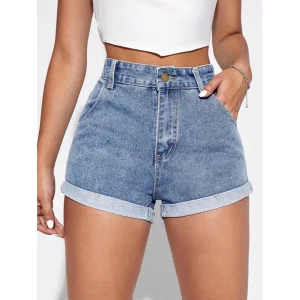
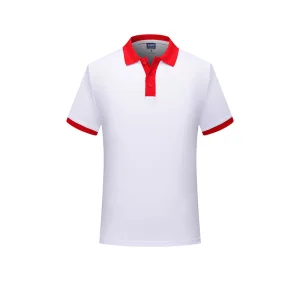
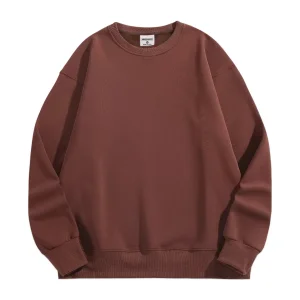
Explore our leading, custom-tailored apparel solutions. Engineered for comfort, durability, and style, designed to suit the high-demand requirements of the Democratic Republic of Congo's formal and gala environments.
The Democratic Republic of Congo (DRC), particularly its bustling capital Kinshasa and the resource-rich southern hub of Lubumbashi, boasts one of the most culturally vibrant and visually expressive fashion landscapes in sub-Saharan Africa. Central to this dynamic is the historic philosophy of La Sape (the Society of Ambianceurs and Elegant Persons), which elevates garment selection to a high art form. The demand for premium evening wear, elegant suits, formal gowns, and celebratory attire is deeply woven into the social fabric of DRC, spanning weddings, religious galas, diplomatic functions, and elite corporate gatherings.
However, despite the insatiable appetite for high-fashion formal wear, the DRC's domestic textile and garment manufacturing sector faces structural headwinds. Deficits in energy infrastructure, lack of localized spinning mills, and supply chain fragmentation make large-scale production of luxury and complex evening garments economically unviable within the country. As a result, importers, high-end boutiques, and commercial brands rely heavily on international B2B suppliers to bridge the gap. Importers face the critical challenge of sourcing garments that meet the high-aesthetic standard of Congolais consumers while remaining robust enough to withstand tropical shipping routes and regional wear.
Kinshasa's fashion-forward society values complex tailoring, bold fabric textures, and customized details, demanding that global suppliers offer bespoke craftsmanship rather than standardized fast fashion.
An expanding middle and upper-middle class in cities like Kinshasa, Goma, and Lubumbashi is fueling consistent annual growth in the consumption of high-grade ceremonial and gala attire.
The lack of domestic heavy fabric refinement industries creates an open pathway for experienced global manufacturers offering OEM and ODM capabilities to dominate the commercial market.
Global procurement directors and retail enterprise buyers targeting the DRC market must navigate a complex array of logistics and commercial realities. Unlike regional hubs with direct ocean ports, the western gateways of DRC, primarily the Port of Matadi, suffer from draft limitations and administrative bottlenecks, often increasing the landed cost of imported textiles. Alternatively, eastern DRC routes rely on transit corridors from East African ports such as Mombasa and Dar es Salaam, necessitating meticulous transit planning and resilient packaging to prevent moisture and dust damage over overland routes.
B2B buyers therefore require suppliers who do not merely manufacture garments but act as end-to-end supply chain partners. This involves providing specialized packing protocols, offering flexible Minimum Order Quantities (MOQs) for highly customized collections, and guaranteeing strict alignment with the Office Congolais de Contrôle (OCC) standards. The ability to customize fabric weights (balancing structural drape for formal silhouettes with breathability for equatorial climates) is a primary differentiator for successful global suppliers in this market.
To ensure high quality and prompt delivery, we deploy a macro-level supply chain solution that optimizes the standard manufacturing cycle. By implementing digital CAD designs and rapid sample iterations, we reduce the geographic disconnect between our global manufacturing plants and DRC apparel distributors. Furthermore, our logistic routing is optimized according to the target region in DRC:
| Destination Hub | Primary Entry Route | Typical Lead Time | Key Compliance Requirement |
|---|---|---|---|
| Kinshasa & West Region | Port of Matadi / N'djili Airport (Air Freight) | 35-45 Days (Ocean), 7-10 Days (Air) | Feri & OCC Pre-Shipment Inspection |
| Lubumbashi & South | Dar es Salaam / Durban (Overland Transit) | 50-60 Days (Multimodal) | SADC Certification & Transit Declarations |
| Goma, Bukavu & East | Port of Mombasa / Kampala Corridor | 45-55 Days (Multimodal) | EAC Custom Protocol Compliance |
Our packaging systems utilize desiccated, heavy-duty moisture barrier lining for all bulk export containers. This protects sensitive fabrics such as velvet, heavy cotton jacquard, satin-lined blazers, and custom-embroidered garments from the humidity swings experienced during ocean transport across the equator, ensuring that inventory arrives at retail showrooms in pristine condition.
As the international fashion supply chain transitions toward digitalization, our manufacturing processes utilize advanced CAD systems and AI-guided pattern layouts to optimize material utilization. In the domain of formal and evening wear, this translates directly to cost savings that we pass on to our B2B customers in DRC. AI-driven nesting software minimizes fabric waste in high-cost materials such as blended wools, jacquards, and premium heavy-weight cotton blends.
In addition, our textile research and development focuses on the unique atmospheric demands of Central Africa. Traditional formal wear is often uncomfortable in high-humidity climates. To solve this, we incorporate tech-driven hybrid textiles:
Navigating customs clearance in the DRC requires a robust understanding of the regulatory framework governed by the Office Congolais de Contrôle (OCC). All textile imports exceeding a specific FOB value must undergo pre-shipment inspection and verification of conformity in the exporting country. Without a valid Certificate of Conformity (CoC) issued by an authorized inspection body (such as Bureau Veritas or SGS), shipments face heavy penalties and prolonged detention at the Port of Matadi or N'djili Airport.
Our administrative teams handle the preparation of all necessary documents, including detailed packing lists, commercial invoices with exact HS code classifications, and certificate applications. We ensure that our evening wear and formal garments comply with the textile composition labeling standards required by DRC authorities, ensuring a friction-free customs clearance process for our buyers.
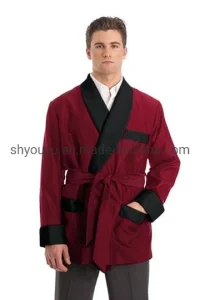
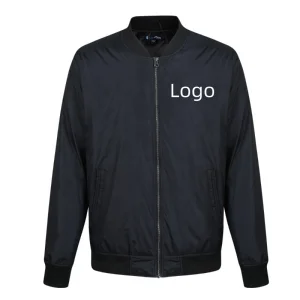
Choose from our extensive range of high-performance ceremonial wear, custom leisure options, and tailored items configured for dynamic business environments and VIP events.
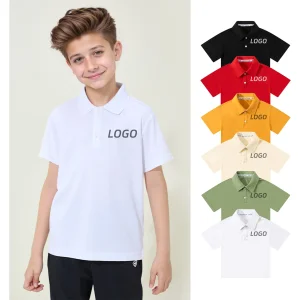
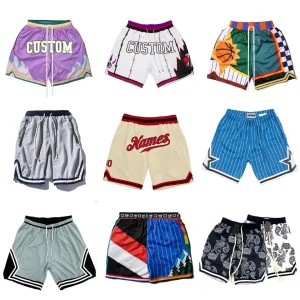

The next decade of evening wear supply to the Democratic Republic of Congo will be shaped by supply chain nearshoring, regional logistics agreements under the African Continental Free Trade Area (AfCFTA), and the rise of local customization centers. Smart suppliers are shifting from a pure import model to a hybrid model: manufacturing complex blanks and structural components in high-efficiency hubs overseas, and then partnering with premium finishing shops in Kinshasa to add localized hand-embroidery, wax print trims, and custom fit alterations.
Furthermore, climate-conscious consumers and corporate entities are increasingly demanding verified, traceable supply chains. The integration of QR-code fabric tracking, which allows B2B buyers and end consumers to trace the origin of sustainable yarns and fair-labor practices, will soon become a baseline standard rather than a luxury. Manufacturers who invest early in sustainable fabric supply chains and transparent production methods will gain a significant competitive advantage in the expanding Central African market.
 VORA Fashion