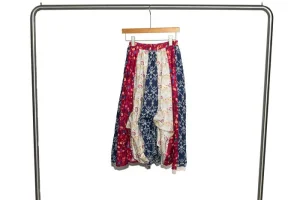
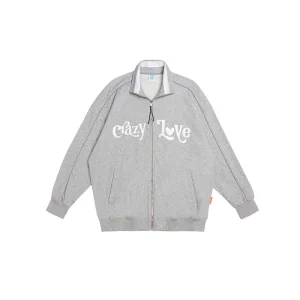
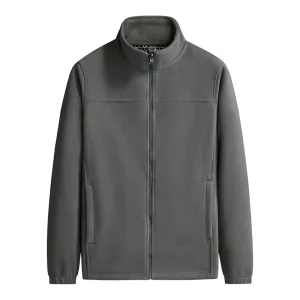
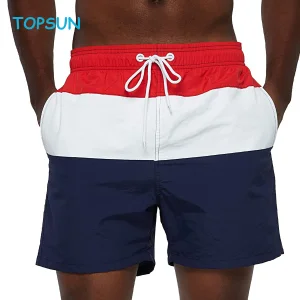
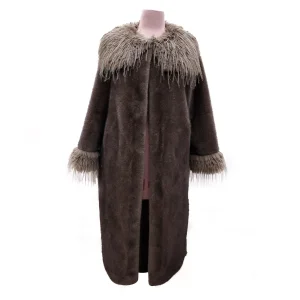
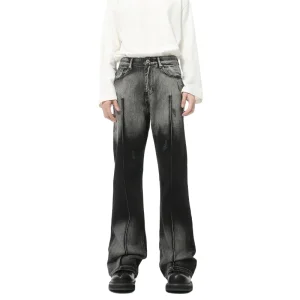
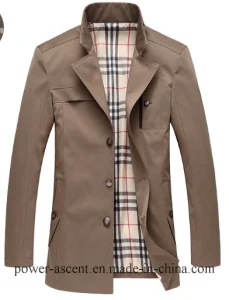
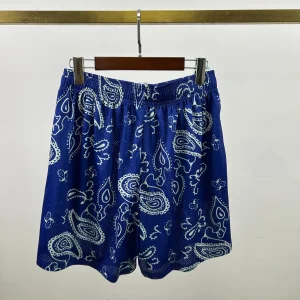
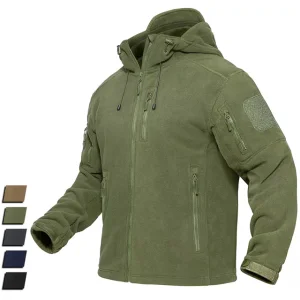
Premium selection representing local design sensibilities, heavyweight fabric capabilities, and high-performance textiles engineered in São Paulo.

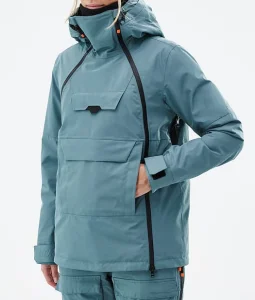
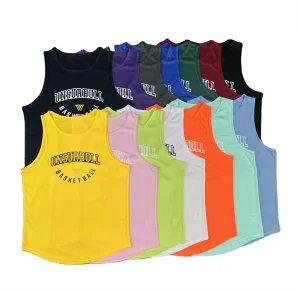
Analyzing how South America's largest metropolis has converted raw agricultural cotton power into an avant-garde apparel manufacturing matrix.
"The São Paulo apparel industry isn't just about fast-fashion turnaround; it has emerged as the creative and structural anchor for premium streetwear across Latin America. Integrating vertical supply chains with local cotton fields, districts like Brás and Bom Retiro now process high-GSM fabrics with international compliance certifications."
As streetwear cements its dominance in global fashion, the search intent of global sourcing directors has pivoted. Brands are moving away from hyper-centralized East Asian production in search of regionalized production clusters—a strategy known as **nearshoring**. The São Paulo market represents the pinnacle of this movement in the Southern Hemisphere. Bolstered by the Brazilian Textile and Apparel Industry Association (ABIT), local manufacturers have refined their processes to deliver high-quality heavy-loopback cottons, tactical techwear, and sophisticated denim washes directly to global hubs.
Inside the metropolitan boundaries of São Paulo lie two distinct industrial powerhouses. The Brás district is renowned for its high-volume output capacity, offering robust infrastructure for continuous weaving, dyeing, and automated cutting systems. It is the core hub for high-volume apparel runs, especially graphic blanks, heavy T-shirts, and cotton sweatpants. On the other hand, the Bom Retiro district serves as a design-forward, boutique OEM corridor. Sourcing managers look to Bom Retiro for complex garment dyeing, washed denim techniques, and custom silhouette modeling that defines modern luxury streetwear.
Mapping the logistical and regulatory pathway from São Paulo factories to premium storefronts in New York, Berlin, and Tokyo.
Sourcing streetwear from São Paulo provides distinct logistical advantages. The state houses the Port of Santos, the largest marine terminal in Latin America, alongside Guarulhos International Airport (GRU), which commands direct air cargo routes to major global markets. For brands in the United States and Europe, shipping from Brazil avoids the highly congested trans-Pacific trade lanes, offering consistent transit timelines that reduce seasonal shelf delays.
Furthermore, under trade frameworks like the Mercosur agreements, apparel exporters in São Paulo offer zero-tariff or highly preferential tariff entries to member states and trade partners. Sourcing departments can leverages custom bonded warehouses (Recof-Sped) in São Paulo to assemble raw trims, carry out high-precision sewing, and export finished products without incurring double taxation on imported raw components.
| Logistics Hub | Transportation Mode | Average Lead Time (to US / EU) | Strategic Advantage for Streetwear Brands |
|---|---|---|---|
| Port of Santos | Maritime Ocean Freight | 14 - 21 Days | Ideal for bulk denim, outerwear, and heavy blank fabric shipments. Low carbon footprint per unit. |
| Guarulhos Cargo Terminal (GRU) | Air Cargo Freight | 2 - 4 Days | Perfect for rapid-drop capsule collections and immediate restocking of high-demand graphics. |
| Direct Courier (Viracopos) | Express Air Courier | 48 - 72 Hours | Optimized for fast-turnaround sampling runs and technical design approval cycles. |
How local mills are adapting to global demands for sustainable heavy knits, functional techwear, and high-performance washes.
The global streetwear community demands more than generic cotton garments. Modern consumers look for distinct textural feel, wash longevity, and ethical transparency. São Paulo suppliers are uniquely positioned to answer these needs due to their proximity to high-grade local raw cotton. Here is how modern exporters are restructuring their product catalogs to align with these demanding market shifts:
Explaining how the unique subcultures of São Paulo—from Praça Roosevelt skaters to "Pixação" artists—drive design Innovation.
Streetwear is inherently tied to subcultural movements. Sourcing in São Paulo offers design departments access to an authentic pool of cultural influence. The city's local skate hubs, underground electronic music scenes, and massive hip-hop communities (such as those in the Capão Redondo district) feed directly into the design departments of local OEM factories.
For example, local streetwear suppliers specialize in producing silhouettes that accommodate active urban mobility. Drop-shoulder tees feature reinforced double-needle stitching, and utility cargo pants are engineered with stretch-canvas panels. Manufacturers don't just copy European patterns; they design garments built to withstand the demanding lifestyle of metropolitan street culture.
A deep dive into the technology stacks being adopted by São Paulo exporters to reduce waste and improve lead-time precision.
To remain competitive against ultra-fast fashion platforms, São Paulo's leading manufacturers are digitizing their supply chains. This technological integration occurs across three distinct phases: design, manufacturing, and distribution logistics.
Using platforms like Clo3D and Browzwear, local patternmakers create accurate digital twins of streetwear garments. This allows international brand managers to preview the drape, stretch, and graphic placement of a garment virtually. 3D prototyping reduces the physical sampling phase from three weeks to under 48 hours, significantly lowering sample transport emissions and material waste.
Automated Gerber and Lectra cutting tables maximize yield per yard on high-GSM cotton fabrics, reducing scrap rate to under 5%. Additionally, to combat the water-intensive nature of garment manufacturing, São Paulo mills are adopting closed-loop ozone wash machines. These systems use oxygen to age denim and jersey fabrics, reducing chemical runoffs by 90% and water usage by up to 80%.
How we help international buyers scale their collections through customized sourcing frameworks and rigorous quality control.
Establishing an international sourcing contract requires navigating compliance, quality benchmarks, and logistics. São Paulo exporters offer comprehensive, turnkey OEM/ODM services structured to minimize risk for foreign buyers. From initial pattern engineering to the final packed cargo container, our mills adhere to international quality management systems (ISO 9001) and ethical workplace standard audits (ABVTEX / BSCI).
Our macro solutions include dedicated project managers who communicate fluently in English, Portuguese, and Spanish, ensuring that specifications for GSM weight, sizing charts, and print techniques (such as high-density puff printing or discharge screen printing) are executed flawlessly.
Explore our full range of customizable apparel engineered for the global urban apparel market.
Get answers to critical trade questions regarding certifications, minimum order quantities (MOQs), shipping protocols, and fabric compositions.
 VORA Fashion