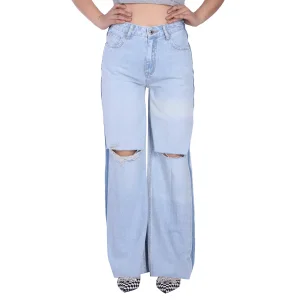
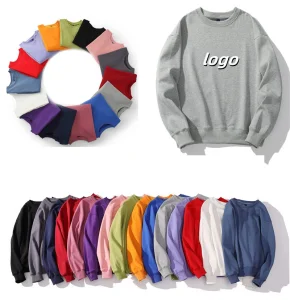
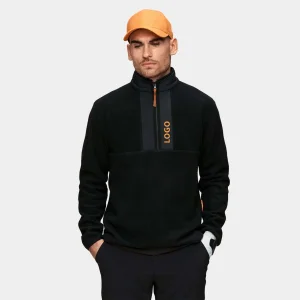
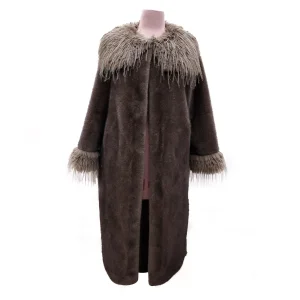
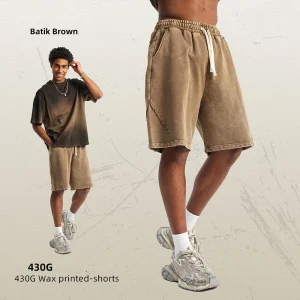
The global plus-size clothing market is no longer a niche segment; it is a primary growth engine for the fashion industry. Valued at over $270 billion in 2023, the sector is projected to maintain a CAGR of 5.8%. Manufacturers are shifting from "standard scaling" to "inclusive ergonomics," focusing on the unique anatomical requirements of diverse body shapes.
Current B2B industrial trends emphasize "Fashion-Forward Inclusivity." Exporters are now integrating high-street fashion aesthetics with plus-size functionality, ensuring that style is never sacrificed for size. This shift requires advanced pattern-making software and high-stretch, high-recovery textile engineering.
Unlike standard manufacturers, a top-tier plus-size exporter utilizes 3D body scanning data and anthropometric studies to reduce return rates—which are typically 30% higher in plus-size e-commerce due to fit issues. Our factory bridges this gap through digital twin prototyping.
In the volatile world of global trade, China remains the undisputed leader for plus-size clothing manufacturing. This dominance is built on three pillars of Supply Chain Resilience:
Our factory exemplifies this by offering "Small Batch, Quick Response" (SBQR) manufacturing, allowing clients to test plus-size designs with lower MOQs before scaling up to full production runs.
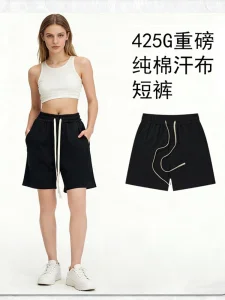
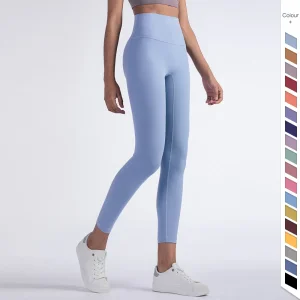
In the US and Canada, the demand for plus-size "Athleisure" is peaking. Our technical fabrics focus on four-way stretch and moisture-wicking properties, catering to the growing active lifestyle segment within the plus-size community.
European markets demand strict adherence to REACH and OEKO-TEX standards. Our localized support ensures that every button, zipper, and dye lot meets EU environmental and safety regulations, focusing on "Sustainable Plus-Size Fashion."
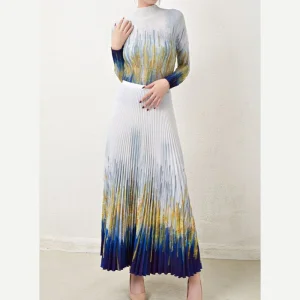
A significant growth area is plus-size modest wear. We manufacture high-quality, breathable abayas and layered ensembles that respect cultural nuances while providing modern aesthetic appeal.
As a leading exporter, we are not just sewing clothes; we are engineering solutions. Our roadmap includes the integration of AI in every step of the manufacturing lifecycle:
Using machine learning algorithms to analyze return data and automatically adjust garment grade rules to fit real-world bodies more accurately than traditional CAD.
Development of "Adaptive Fabrics" that offer variable compression—providing support where needed without restricting movement, specifically designed for larger silhouettes.
Implementing nesting algorithms that maximize fabric usage, reducing textile waste by up to 15%—a critical component of our ESG (Environmental, Social, and Governance) commitment.
Navigating the complexities of international trade requires a partner who understands the "Fine Print." We provide comprehensive support in:
Full documentation for ISO 9001, BSCI, and GRS (Global Recycled Standard) to ensure your brand meets ethical consumer expectations.
Expertise in HS Code classification for plus-size garments to optimize import duties and ensure smooth customs clearance globally.
Localized branding, including size tags tailored to specific regional systems (US, UK, EU, AU) to prevent consumer confusion.
 VORA Fashion