The global apparel landscape is undergoing a structural paradigm shift where the boundaries between high-performance outdoor gear, military tactical utility, and urban lifestyle aesthetics have permanently dissolved. This intersection has birthed the highly profitable, technically complex segment known as Techwear. Once a niche subculture, techwear has evolved into a key driver of modern apparel innovation, capturing a significant market share in premium functional fashion.
As professional buyers, supply chain directors, and retail brand executives seek reliable partners to fulfill their custom product needs, identifying elite techwear jacket manufacturers and exporters has become paramount. This industry analysis details the design standards, structural material requirements, and advanced supply chain dynamics that govern techwear manufacturing.
Modern procurement managers do not buy garments; they buy engineered systems. The modern consumer demands techwear jackets equipped with water-resistant shells, windproofing, high moisture vapor transmission rates (MVTR), and ergonomic styling. Brand owners are looking for manufacturing partners capable of combining complex textile physics with high-efficiency output. This has led to a transition away from standard cut-make-trim (CMT) services towards Original Design Manufacturing (ODM) and fully integrated smart sourcing models.
Techwear jackets are characterized by their multi-system integration. For a manufacturer to deliver a top-tier garment, the production process must incorporate specialized fabric treatments, laminated membranes, and robust physical hardware. The table below outlines the core functional requirements for professional techwear procurement.
| Functional Layer / Component | Technical Parameters | Material Engineering Details | Intended Application Scenario |
|---|---|---|---|
| Outer Shell (Hard Shell) | 20,000mm Hydrostatic Head / 15,000g/m² Breathability | 3-layer laminates, PTFE or PU membrane, Ripstop Nylon base | Heavy alpine rain, extreme wind protection, urban daily commute |
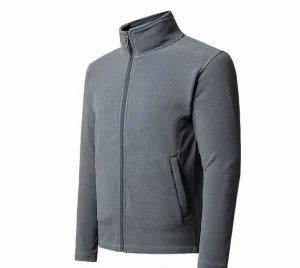
| Thermal Layer (Mid Layer) | High CLO rating, low weight-to-warmth ratio | Polar fleece, synthetic recycled micro-fibers, aerogel matrix | Cold weather modular insulation, sub-zero urban environments |
| Structural Hardware | YKK AquaGuard, Fidlock magnetic buckles, COHAESIVE cords | Anodized aluminum parts, waterproof coated zippers, magnetic fasteners | Quick-access modules, rapid modular pocket attachments |
| Seam Construction | 100% seam sealing taping, ultrasonic welding | Thermoplastic adhesive tape, zero-needle stitch technology | Total wind and moisture isolation under dynamic stress |
The baseline standard for premium techwear jackets has shifted from fluorocarbon-based Durable Water Repellents (C8 DWR) to non-toxic C6 or C0 DWR technologies. This shift is driven by strict environmental regulations (such as REACH and OEKO-TEX standards) in Western Europe and North America. Manufacturers must demonstrate that their laminating plants conform to these zero-PFAS guidelines while maintaining high levels of oil and water repellency under extreme conditions.
China’s manufacturing landscape has evolved beyond basic volume production. Today, leading Chinese factories utilize Factory 4.0 standards, combining automated pattern layout, laser cutter systems, and real-time IoT tracking. This transformation has allowed manufacturing hubs to offer high flexibility, lower minimum order quantities (MOQs), and swift turnarounds for worldwide distributors.
Computerized laser cutters minimize fabric waste and ensure millimeter-perfect accuracy for complex, multi-panel techwear jacket patterns.
Real-time tracking of raw material status, membrane testing, and sewing efficiency enables transparent delivery timelines for global B2B buyers.
Direct integration with GRS (Global Recycled Standard) and OEKO-TEX Standard 100 supply chains ensures compliance with western import markets.
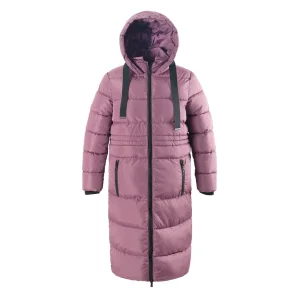
This optimized infrastructure allows factories to easily switch lines between heavyweight insulated puffer coats, lightweight running singlets, and high-performance technical shell jackets without long downtime. For international brands, this level of agility reduces capital lockup and mitigates inventory overstock risks.
To capture maximum organic demand, techwear designs must adapt to specific regional and environmental use cases. Global consumers demand localized functional features:
In cities like Tokyo, London, and New York, techwear serves as an everyday uniform. Key requirements include hidden card pockets, internal sling straps for off-shoulder carrying in climate-controlled subways, and highly breathable side vents. The aesthetic must remain clean, featuring matte finishes and deep tones (such as asphalt black, olive drab, and concrete grey) that transition easily into corporate environments.
For alpine hiking, survivalist wear, and security services, techwear jackets demand reinforced Cordura elbow panels, MOLLE-compatible webbing configurations, and thermal reflective lining to retain body heat in cold environments. Windproof construction is prioritized alongside specialized, non-glare external coatings.
Selecting the correct techwear manufacturing partner requires assessing technical capacity, international compliance, and lead-time reliability. Ensure your chosen exporter meets the following core criteria:
 VORA Fashion